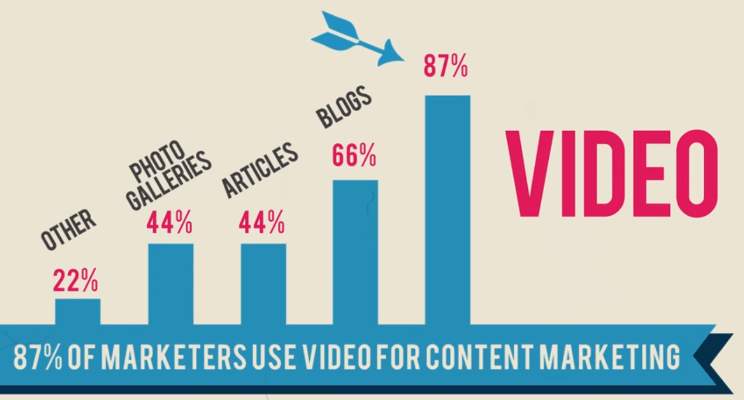
To measure ROI on video campaigns, you need to compare the revenue or business impact generated by your videos against the total cost of production and distribution. A professional video production company aligns your content with clear goals, making it easier to track performance and calculate returns accurately.
If you’re investing in video, simply tracking views isn’t enough. The real question is whether your videos are contributing to business growth,whether that’s leads, sales, or brand awareness.
This guide gives you a clear, step-by-step approach to measuring ROI effectively.
What you’ll learn:
- What ROI means in video marketing
- Step-by-step ROI calculation
- Key metrics to track
- Tools that help measure ROI
- How to improve campaign performance
Key Takeaways:
- ROI is based on both performance and cost
- Metrics should align with your campaign goal
- Tracking should start before production begins
- Optimization is key to improving returns
What Does ROI Mean in Video Production Campaigns?
ROI (Return on Investment) measures how much value your video generates compared to how much you spend on it.
When working with a video production company, ROI is not just about views,it’s about outcomes like leads, conversions, and revenue.
“Views are vanity metrics unless they lead to meaningful business results.”
How Do You Measure ROI on Video Campaigns Step by Step?
Step 1: Define Your Goal
Before you measure ROI, you need to know what success looks like.
Common goals include:
- Brand awareness
- Lead generation
- Sales or conversions
- Engagement
A video production company typically aligns the video strategy with these goals.
Step 2: Track the Right Metrics
Different goals require different metrics.
Awareness Metrics
- Views
- Reach
- Watch time
Engagement Metrics
- Likes, shares, comments
- Click-through rate (CTR)
- Average watch duration
Conversion Metrics
- Leads generated
- Sign-ups or purchases
- Conversion rate
Tracking the right metrics ensures accurate ROI measurement.
Step 3: Calculate Total Investment
To measure ROI, you must include all costs associated with the campaign.
Costs include:
- Production (shoot, crew, equipment)
- Creative development
- Post-production
- Media spend (ads and promotion)
Ignoring any cost can distort your ROI calculation.
Step 4: Measure Revenue or Outcomes
Depending on your goal, outcomes may include:
- Direct sales
- Lead value
- Website traffic converted into business
A structured approach helps connect video performance to real business results.
Step 5: Apply the ROI Formula
Use this formula to calculate ROI:
ROI = (Revenue – Total Cost) / Total Cost × 100
Example
|
Metric |
Value |
|
Total Cost |
₹4,00,000 |
|
Revenue Generated |
₹7,00,000 |
|
Profit |
₹3,00,000 |
|
ROI |
75% |
This gives you a clear understanding of how your video production company investment is performing.
What Tools Help Measure Video ROI?
Using the right tools makes ROI tracking more accurate and efficient.
Common tools include:
- Platform analytics (YouTube, Instagram, LinkedIn)
- Google Analytics for website tracking
- Ad platforms (Meta Ads, Google Ads)
- CRM tools for lead tracking
These tools help connect video engagement with actual business outcomes.
How Long Does It Take to See ROI from Video Campaigns?
ROI timelines vary based on the campaign objective.
|
Campaign Type |
ROI Timeline |
|
Awareness campaigns |
Short-term |
|
Lead generation |
Medium-term |
|
Brand building |
Long-term |
A video production company can help set realistic expectations based on your strategy.
What Are the Common Mistakes in Measuring ROI?
Many businesses struggle to measure ROI correctly due to common errors.
Avoid these mistakes:
- Focusing only on views
- Not defining clear goals
- Ignoring distribution costs
- Measuring results too early
- Not tracking conversions
These mistakes can lead to inaccurate conclusions about campaign success.
How Can You Improve ROI on Video Campaigns?
Improving ROI requires continuous optimization.
Practical strategies include:
- Create goal-driven content
- Optimize video length and format
- Test different creatives (A/B testing)
- Repurpose content across platforms
- Use data to refine future campaigns
You’ll notice that consistent optimization leads to better performance over time.
How Does a Video Production Company Contribute to ROI?
A professional video production company plays a key role in maximizing returns.
They help by:
- Creating high-quality, engaging content
- Aligning videos with business goals
- Ensuring efficient production processes
- Enhancing storytelling for better impact
Better content often leads to better engagement and higher conversions.
Frequently Asked Questions
What is ROI in video production campaigns?
ROI measures the return you get from your video compared to the cost of producing and promoting it.
How do you calculate ROI for video campaigns?
Use the formula: (Revenue – Cost) / Cost × 100.
What metrics should you track?
Track awareness, engagement, and conversion metrics based on your goal.
How can a video production company help improve ROI?
They create high-quality, goal-oriented content that drives better results.
What mistakes should you avoid?
Avoid focusing only on views and not tracking actual business outcomes.
Conclusion
Measuring ROI on video production campaigns is essential to understanding the true value of your investment. By tracking the right metrics and aligning your strategy with business goals, you can make smarter decisions.
A reliable video production company ensures that your videos are not only creative but also effective in delivering measurable results.
Call to Action
If you’re planning a video campaign, start by defining clear goals and tracking the right metrics. Partnering with the right video production company can help you create content that delivers real ROI and long-term impact.




.jpeg)

.jpeg)

.jpeg)
.jpg)


.jpg)




.png)


.jpg)
.jpg)
.jpg)


.jpg)

.jpg)

.jpg)





.jpg)
.jpg)
.jpg)
.jpg)

.jpg)
.jpg)
.jpg)
.jpg)
.jpg)
.jpg)
.jpg)
.jpg)
.jpg)
.jpg)















.jpg)




.jpg)
.jpg)
.jpg)

.jpg)
.jpg)
.jpg)




.jpg)
.jpg)













.jpg)
.jpg)
.jpg)

.jpg)
.jpg)
.jpg)
.jpg)











.jpg)
.jpg)
.jpg)
.jpg)
.jpg)
.jpg)


.jpg)
.jpg)
.jpg)
.jpg)
.jpg)

.jpg)
.jpg)
.jpg)
.jpg)
.jpg)
.jpg)
.jpg)














.jpg)
.jpg)