Great Video Begins Long Before the Camera Starts Rolling
Some advertisements stay with audiences because of their creativity, emotion, or relatability. However, the planning, creativity, technical expertise, and coordination that happen behind the scenes often go unnoticed.
Producing an advertisement is a complex process, and very few people understand what happens behind the scenes at a film production house.
Successful ads go through countless hours of brainstorming, scripting, scouting locations, and editing every frame to perfection.
In this blog, we’re going to learn what happens behind the camera to create a commercial, documentary, corporate film, or digital campaign.
Why Professional Film Production Matters Today
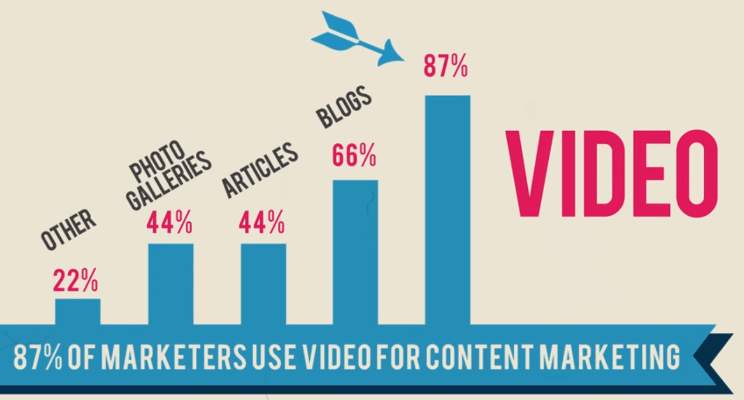
Video is the best form of communication tools for businesses across industries. Businesses can effectively communicate their mission, vision, and brand message through video.
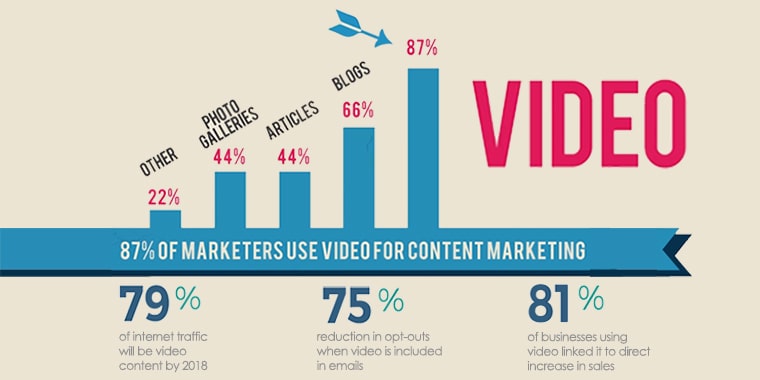
According to Wyzowl's State of Video Marketing 2025:
|
91% of businesses use video as a marketing tool |
Video has become a standard part of business communication. |
|
93% of marketers report positive ROI from video marketing |
Businesses continue investing because video delivers measurable results. |
|
96% of consumers watch explainer videos before purchasing products or services |
Video plays an important role in customer decision-making. |
Source: Wyzowl – State of Video Marketing 2025
These statistics clearly show why brands continue to rely on professional production teams.
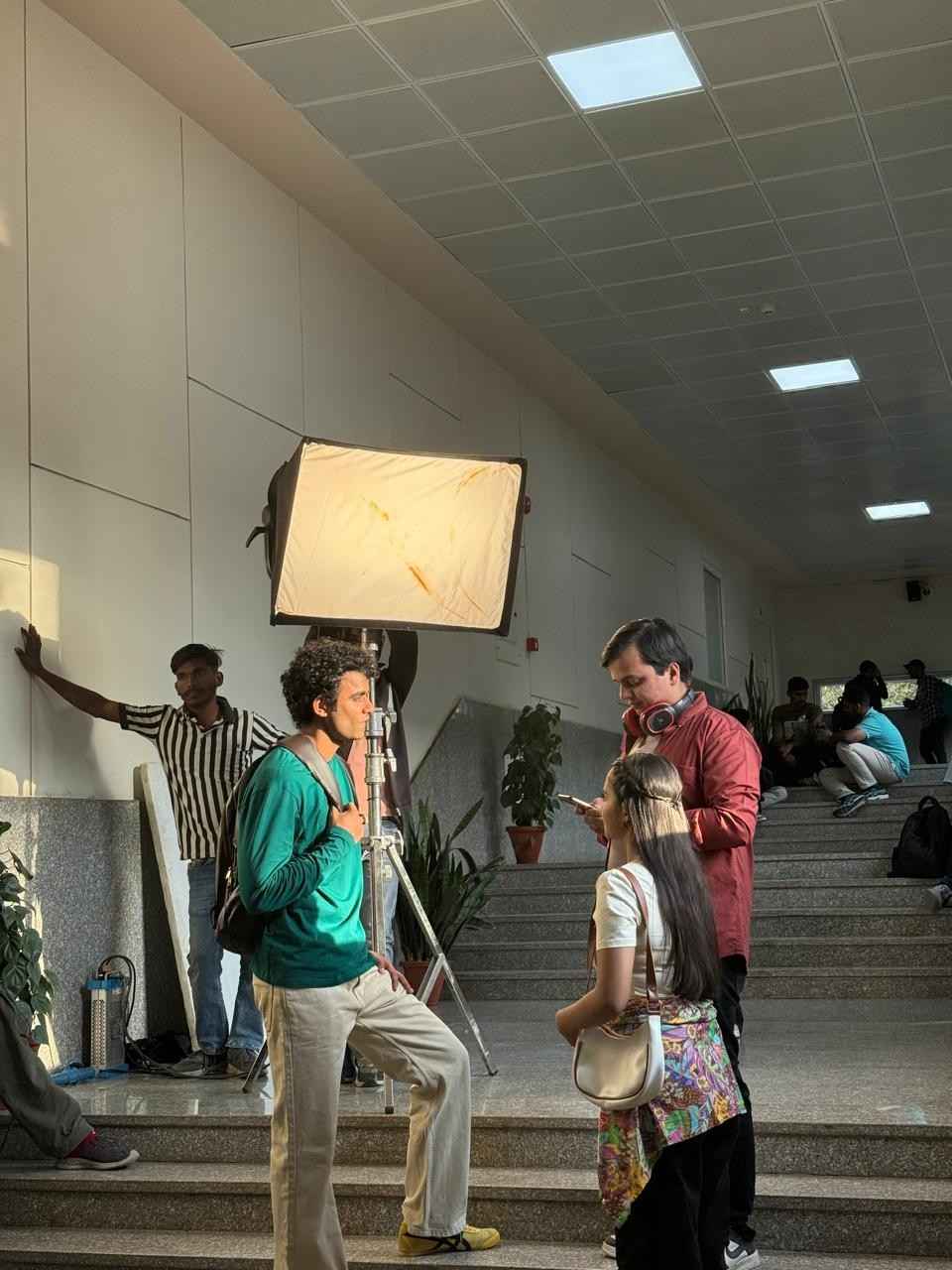
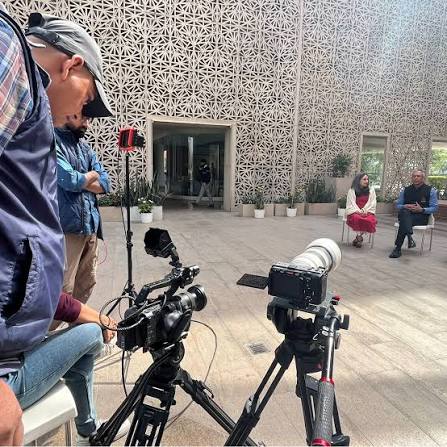
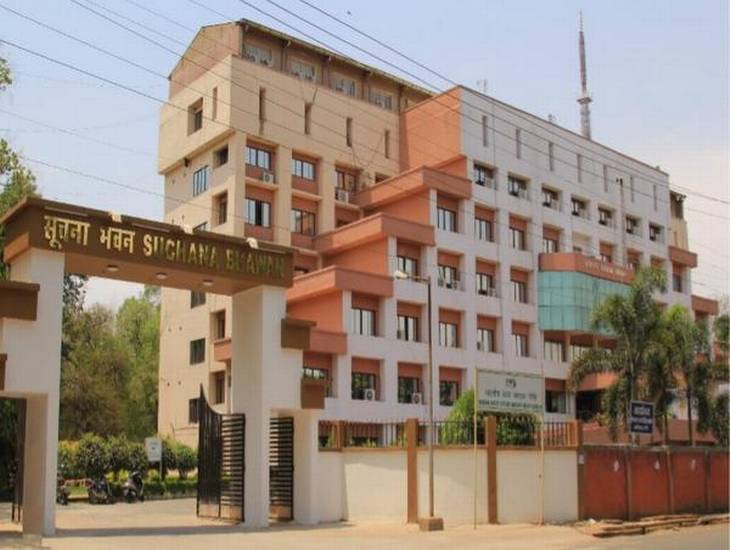
Our shoot for the Ministry of Health and Family Welfare.
What Exactly Does a Film Production House Do?
A film production house in Delhi is much more than a team equipped with cameras. Specialists from different departments work together to produce compelling visual stories.
Their services usually include:
- Brand strategy
- Scriptwriting
- Storyboarding
- Casting
- Location scouting
- Video production
- Editing
- Motion graphics
- Sound design
- Final delivery
Every department contributes toward achieving the client's objectives
The Complete Journey Behind the Scenes
1. Understanding the Client's Vision
Everything starts with the conversation.
Before planning and filming, the production team should first understand the client’s requirements. The production team should clearly understand:
- Business objectives
- Target audience
- Brand identity
- Marketing goals
- Budget
- Timeline
- Distribution platforms
Some common questions the production team may ask include:
- Is this video for YouTube?
- Is it a TV commercial?
- Is it a corporate film?
- Is it a recruitment video?
- Is it meant for social media?
Without this clarity, even the most visually stunning video may fail to achieve its purpose.
2. Creative Brainstorming
When the objective is clear, the creative team starts working.
This phase involves:
- Research
- Competitor analysis
- Market trends
- Mood boards
- Creative references
- Campaign concepts
During this stage, writers, directors, and creative strategists brainstorm ideas. Dozens of concepts are discussed before selecting the final one.
3. Scriptwriting
The script is the blueprint for the entire production, every department follows the script throughout production.
Writers prepare:
- Dialogue
- Narration
- Voice-over
- Scene descriptions
- Camera directions
- Visual storytelling
A great script makes every second of the video serve its purpose to effectively communicate with the target audience.
4. Storyboarding
After scripting, storyboarding starts. It is an essential step before filming begins.
Storyboards help to understand:
- Camera angles
- Character movement
- Transitions
- Lighting setup
- Scene composition
Storyboarding shows everything visually, which reduces confusion during production and saves time and money.
5. Pre-Production Planning
One of the most critical stages is pre-production. It determines whether the project is a success or not.
This includes different stages such as:
Location Scouting- The team searches for the best locations that match the creative vision and align with the script.
Casting- The team selects the actors, presenters or voice artists as per the script.
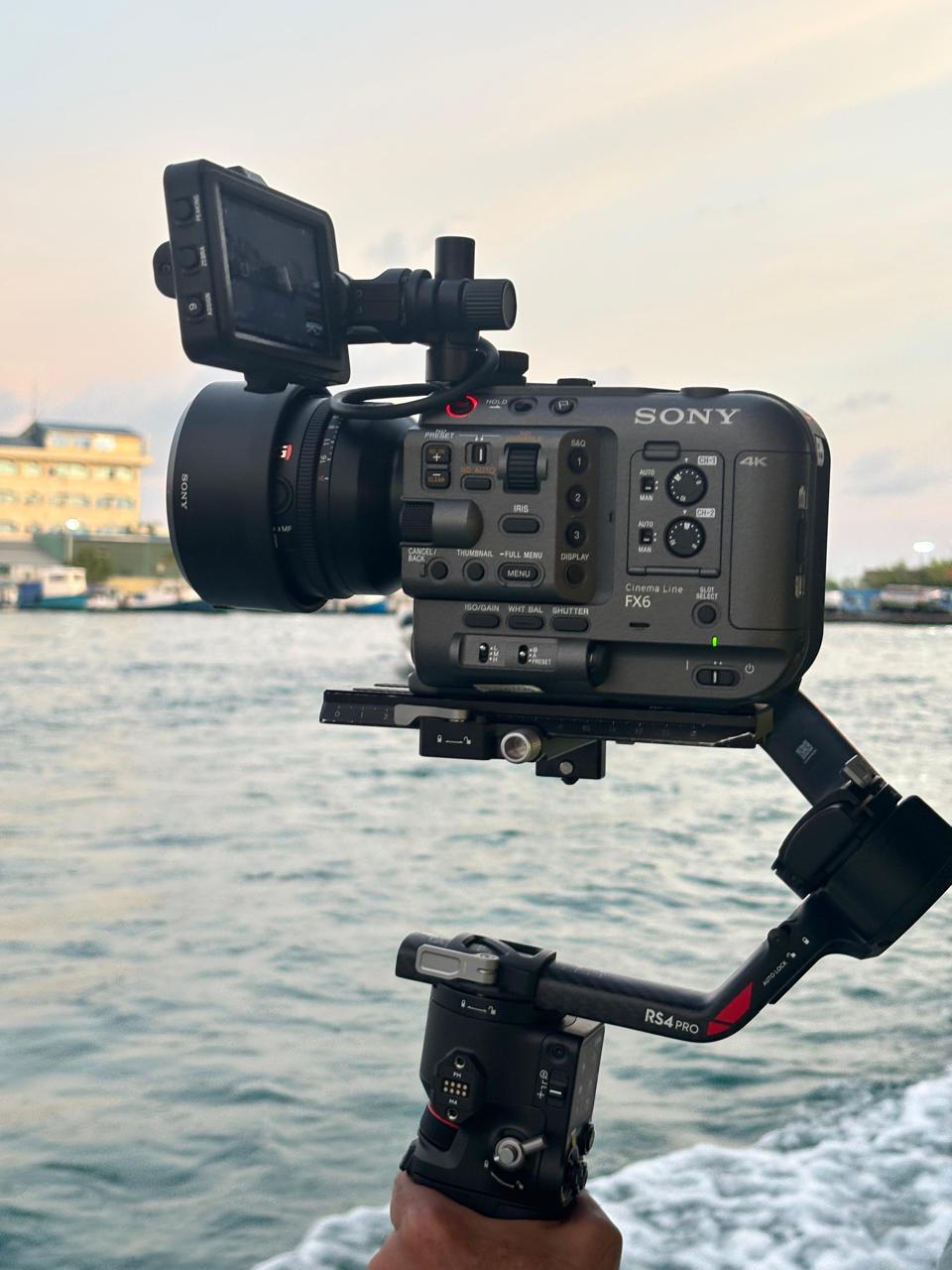
Equipment Planning- As per the project, equipment may include:
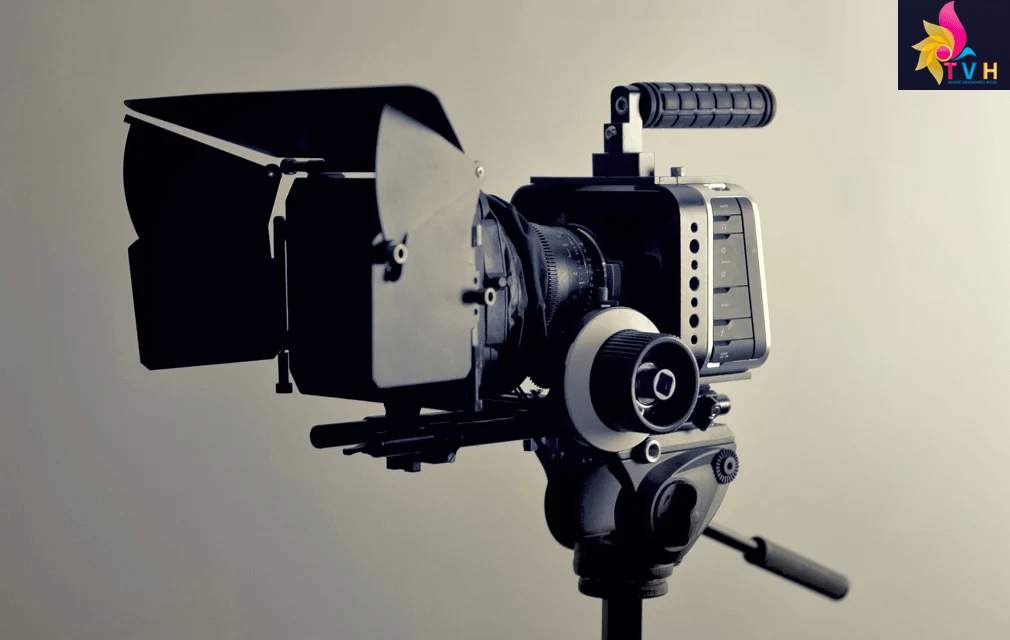
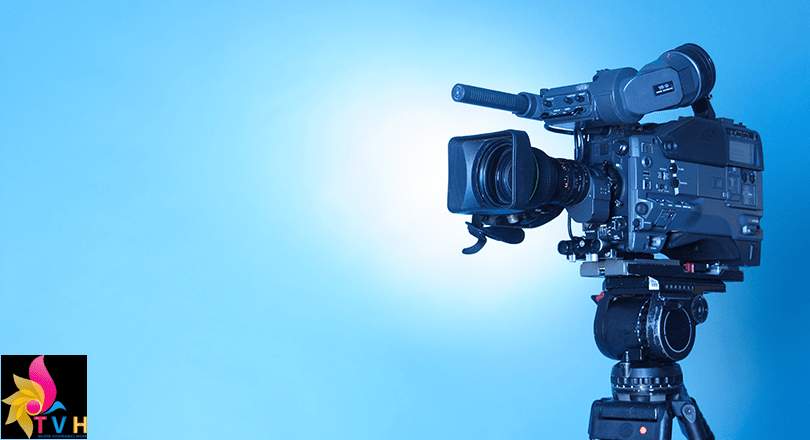
- Cinema cameras
- Drones
- Gimbals
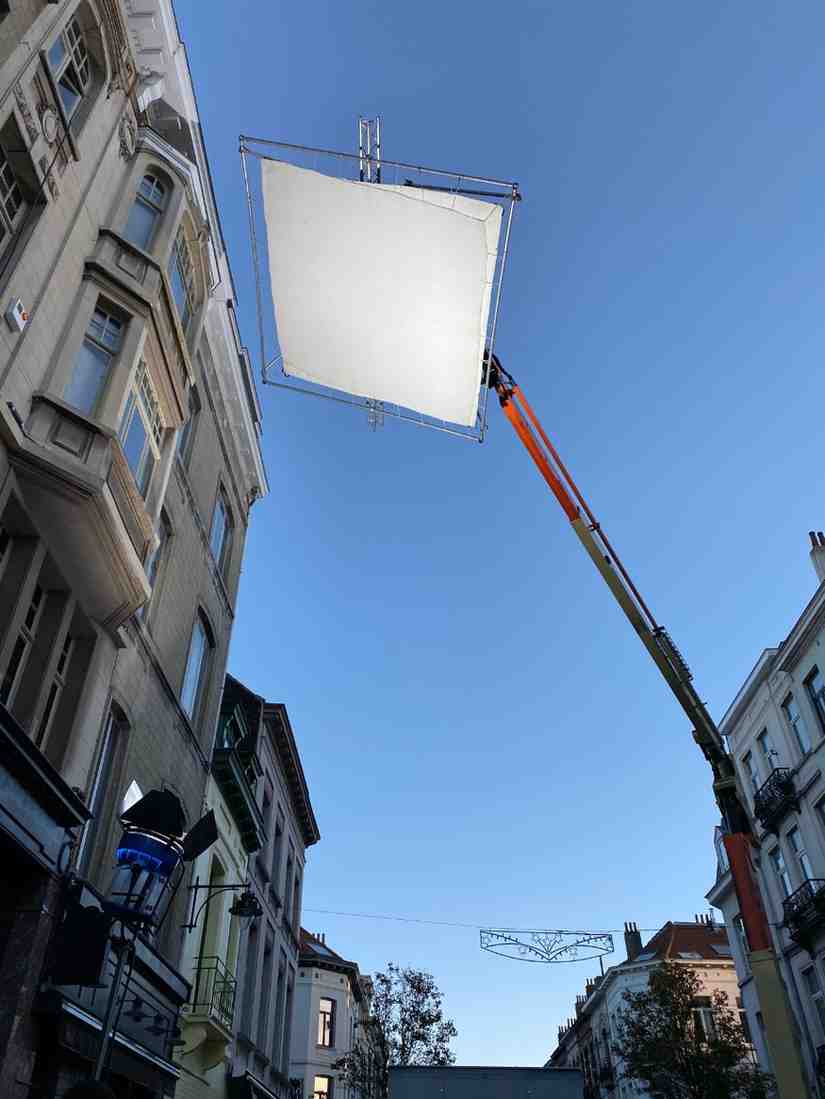
- Lighting rigs
- Audio systems
- Teleprompters
Scheduling- Shoots are done as per the production calendar so that the project can be delivered on time.
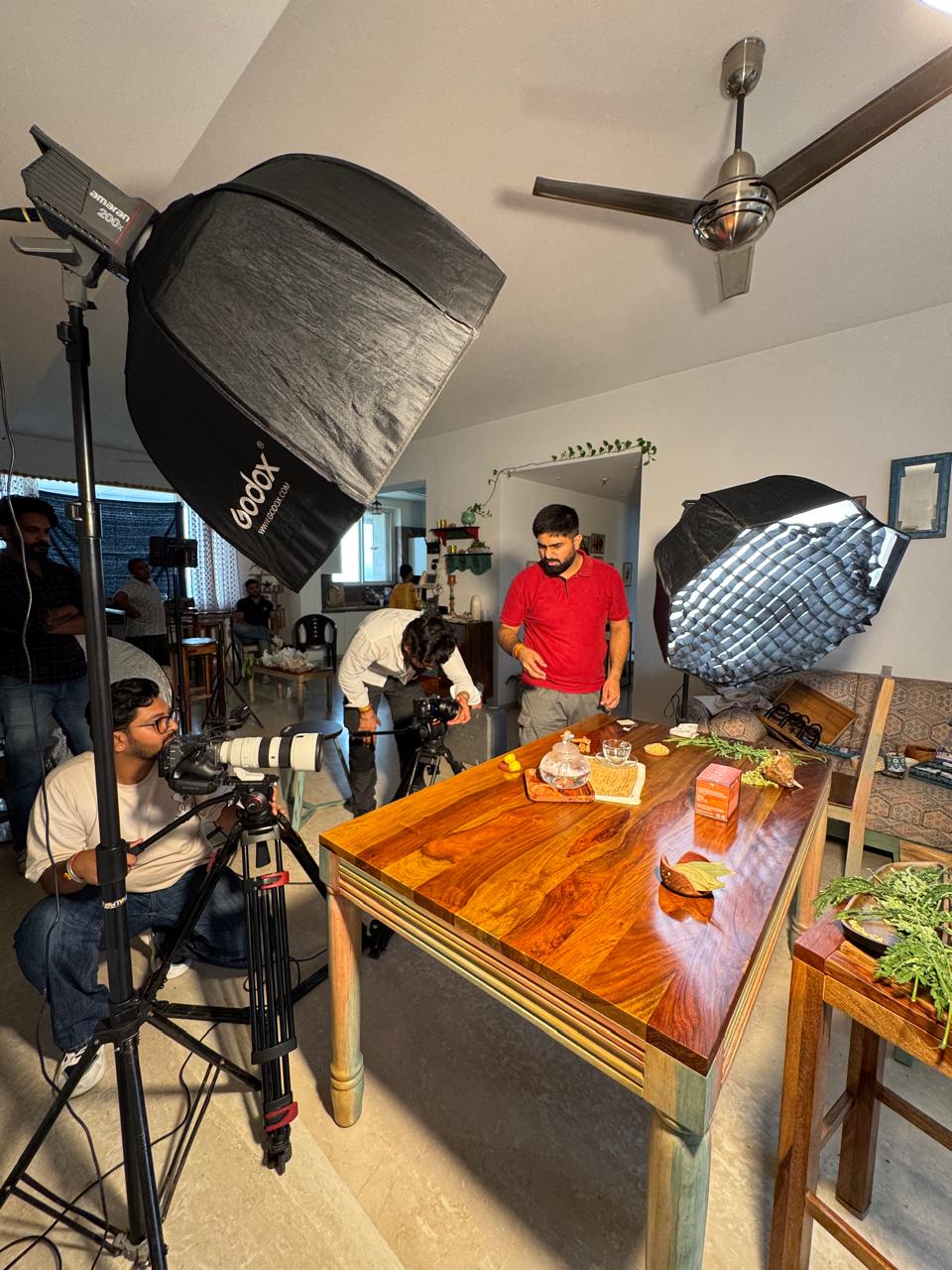
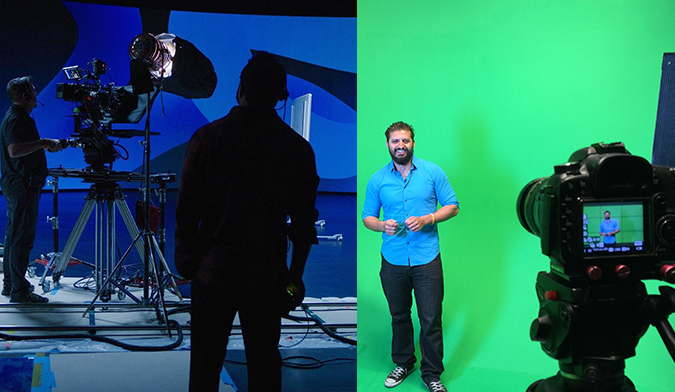
6. Production Day: Lights, Camera, Action!
Months of planning come together on production day.
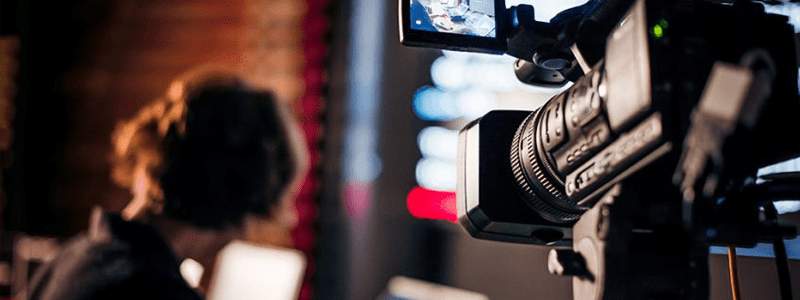
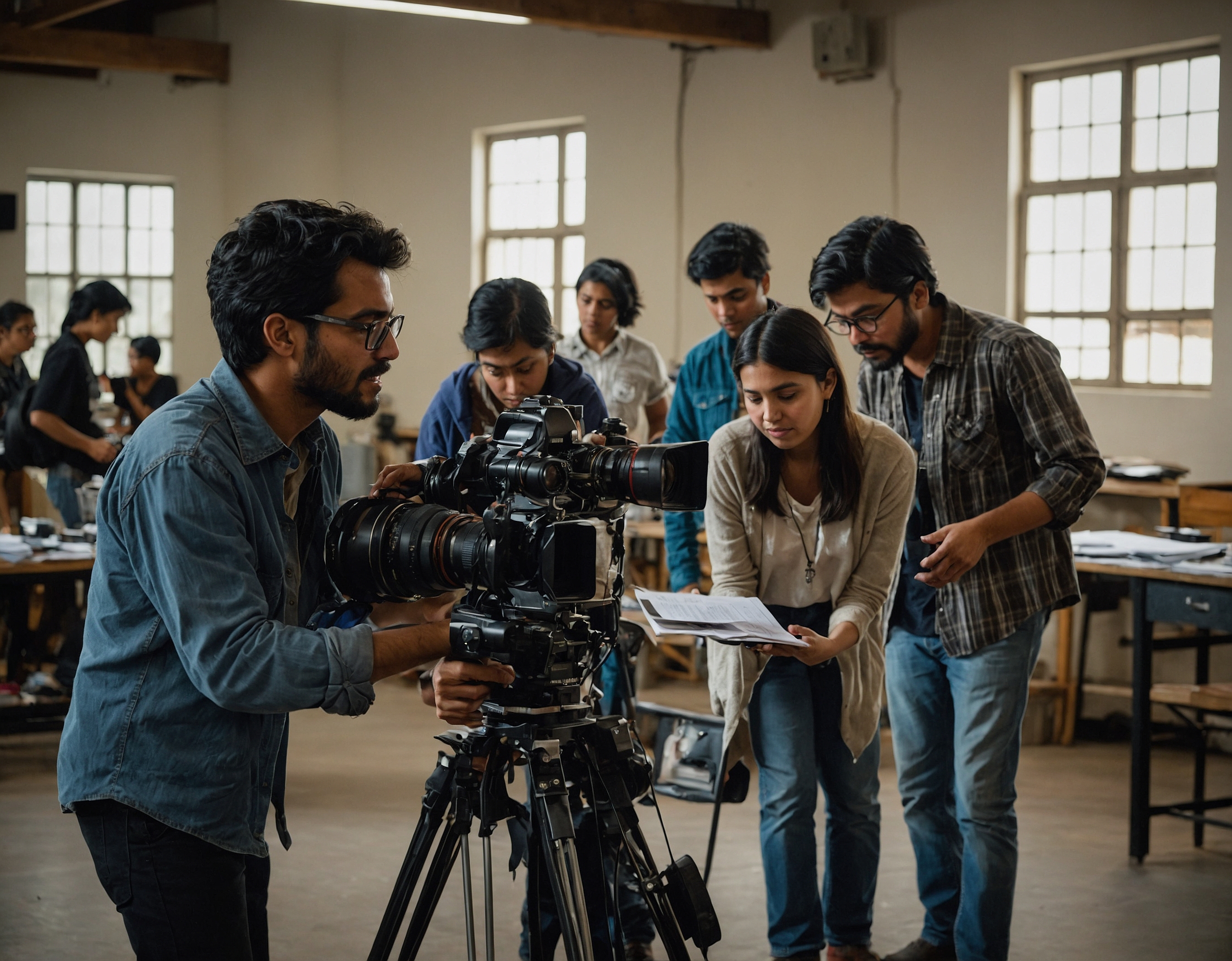
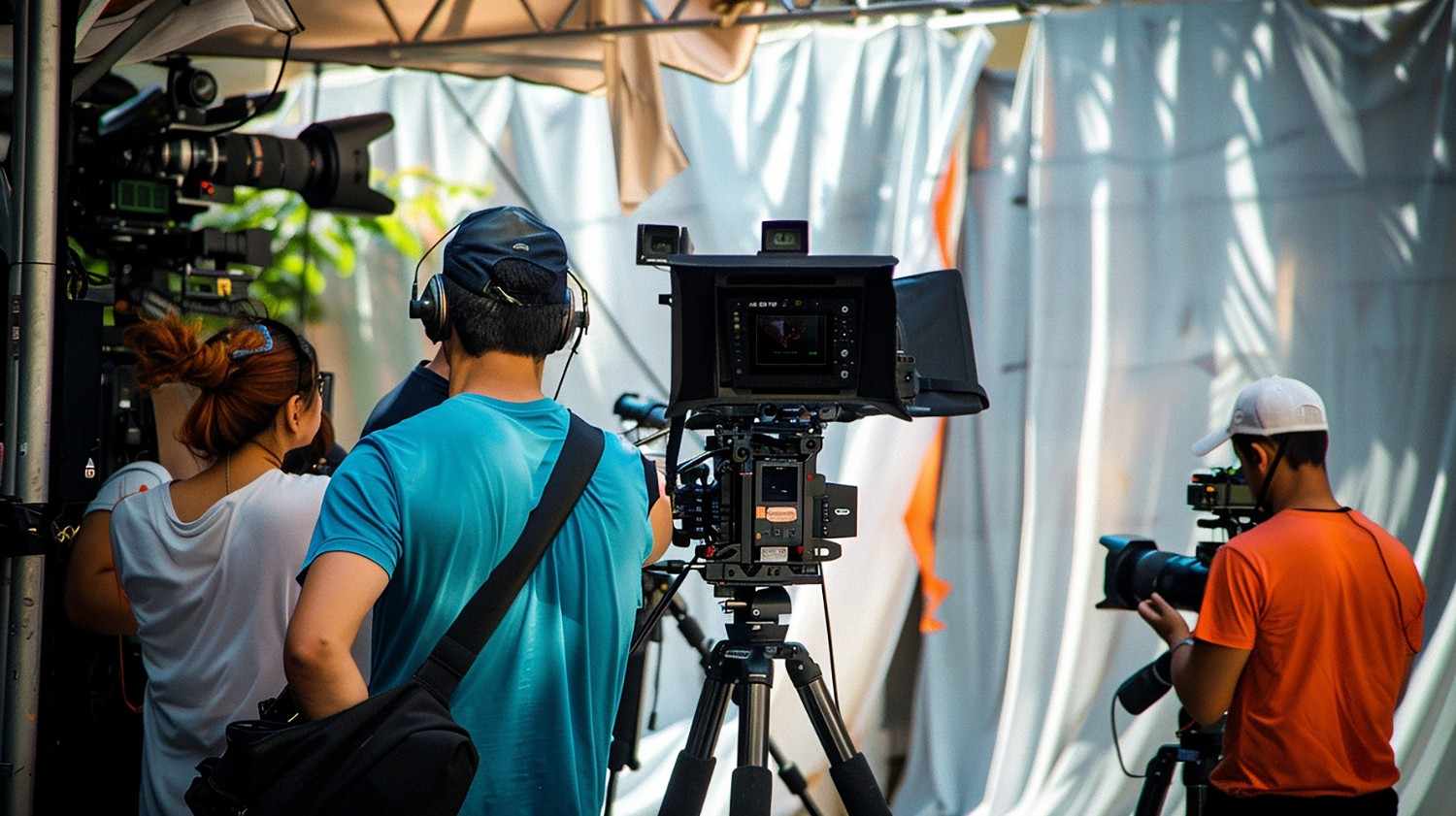
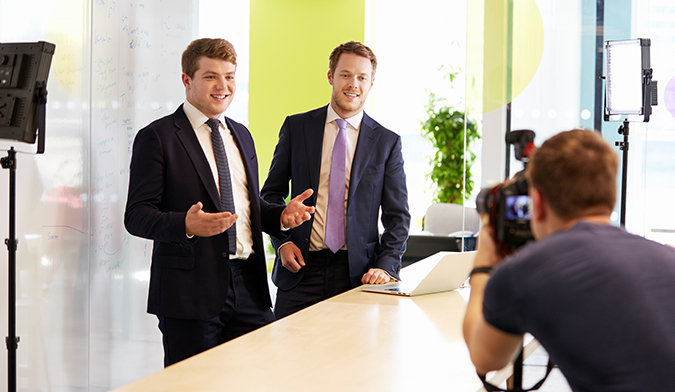
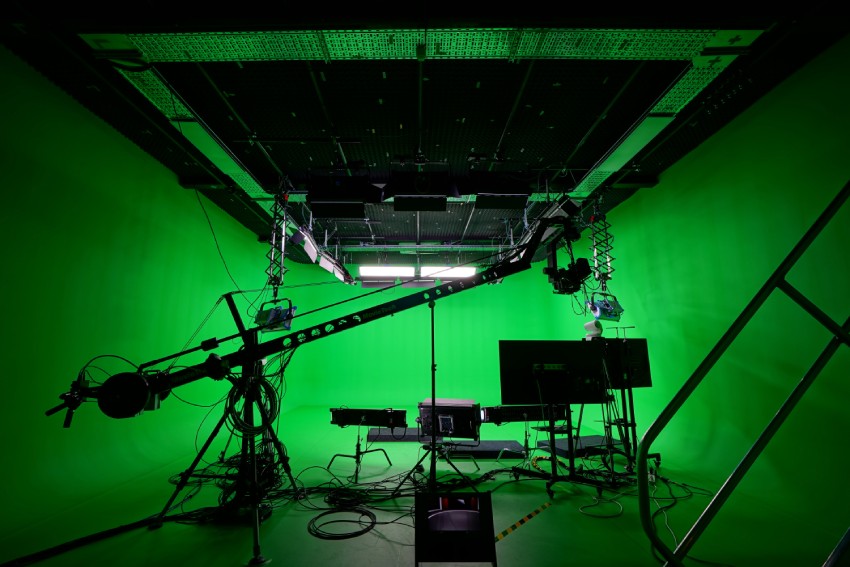
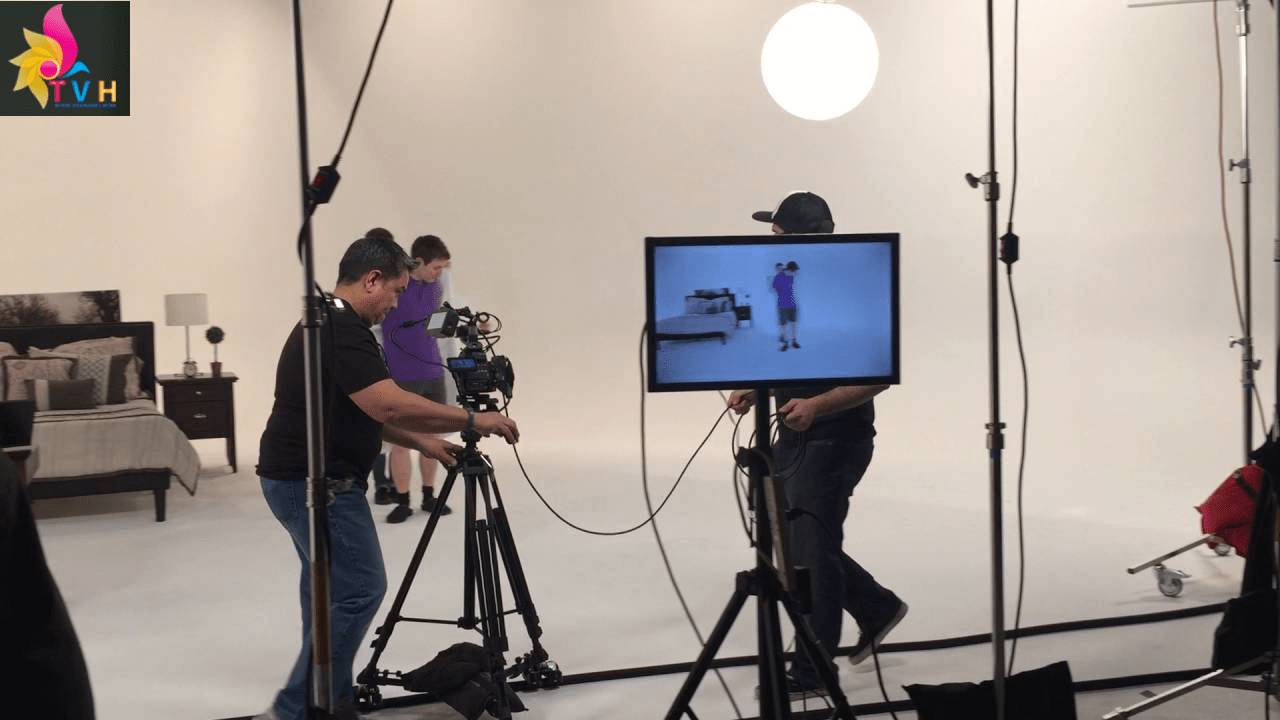
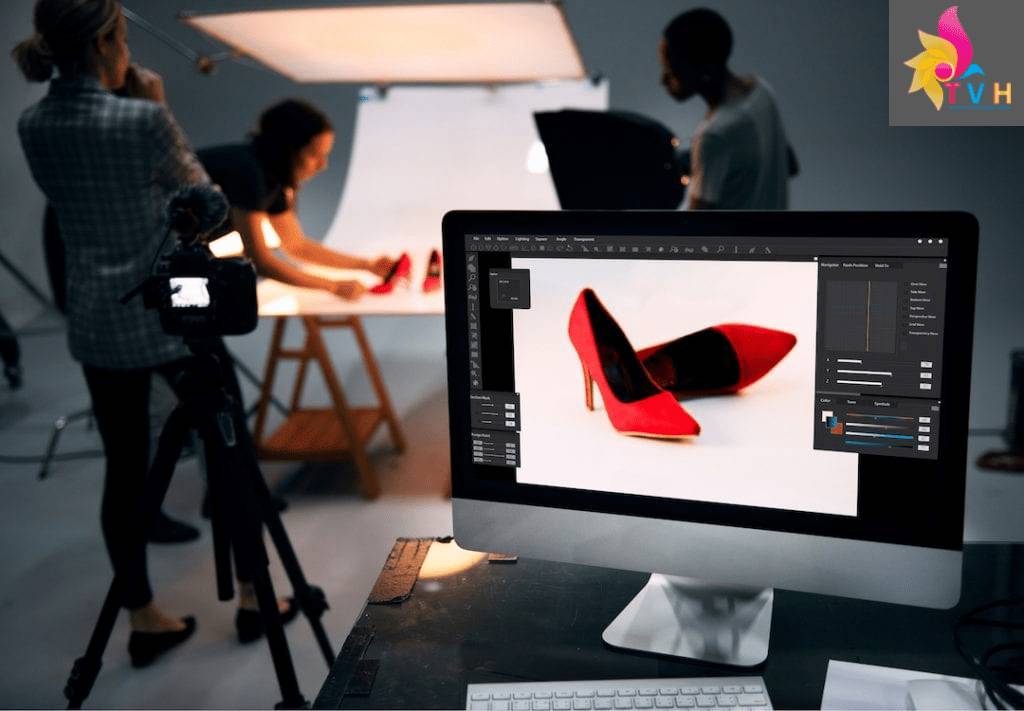
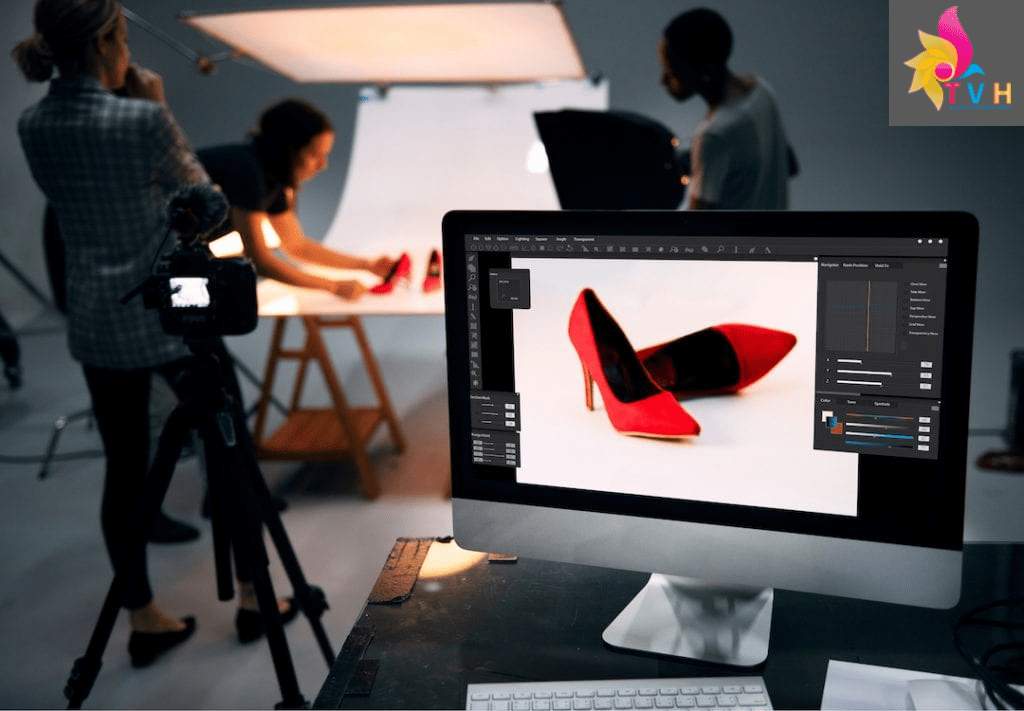
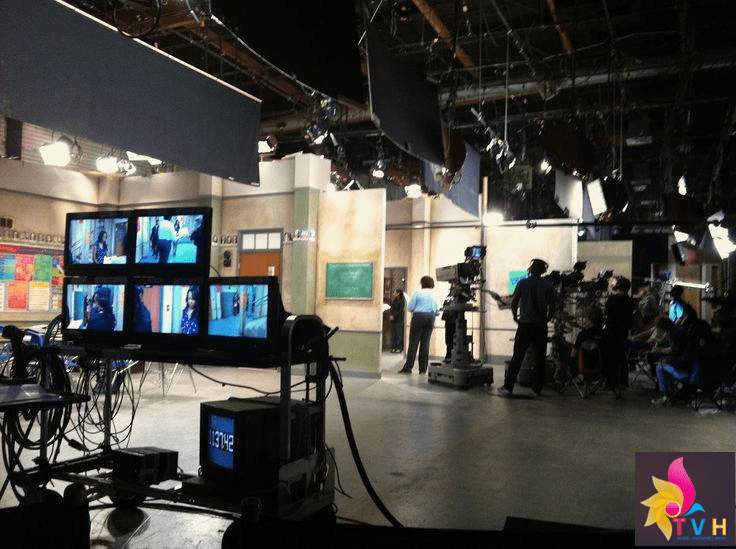
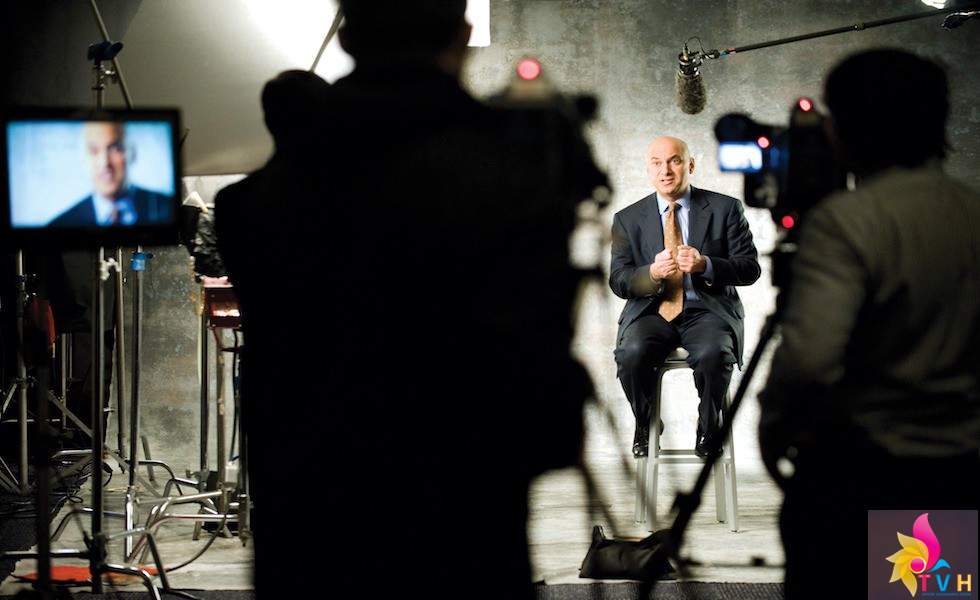
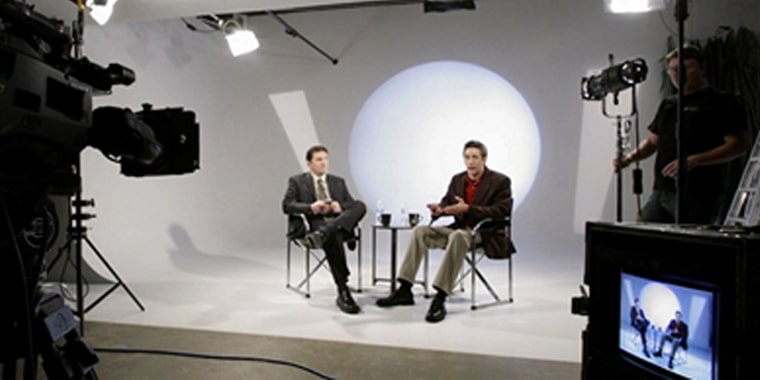
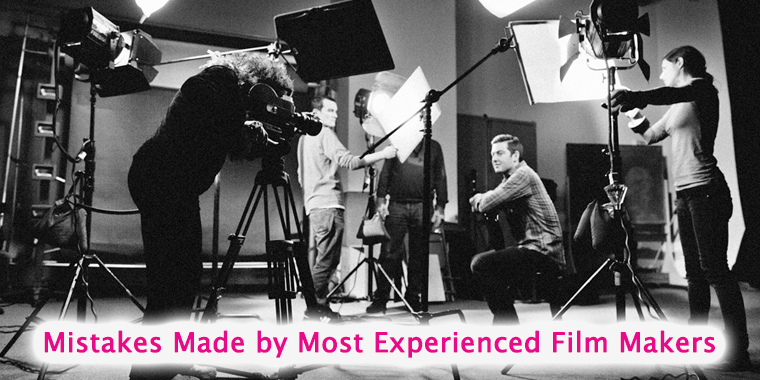
On a typical production day at a film production house in Delhi NCR, several specialists work together simultaneously.
Typical crew members include:
- Director
- Assistant Director
- Cinematographer
- Camera Operators
- Focus Puller
- Gaffer
- Lighting Crew
- Sound Engineer
- Makeup Artist
- Production Manager
- Production Assistants
Every department has a clearly defined responsibility.
When you see a two-minute video, countless activities take place behind the scenes. A single scene sometimes requires multiple takes with different camera angles.
7. Capturing Perfect Visuals
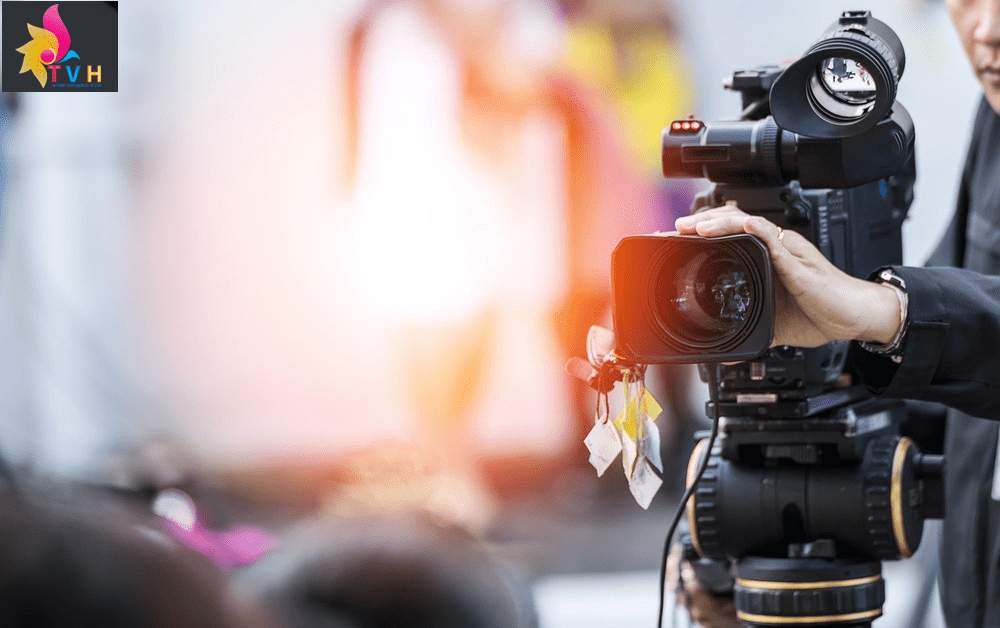
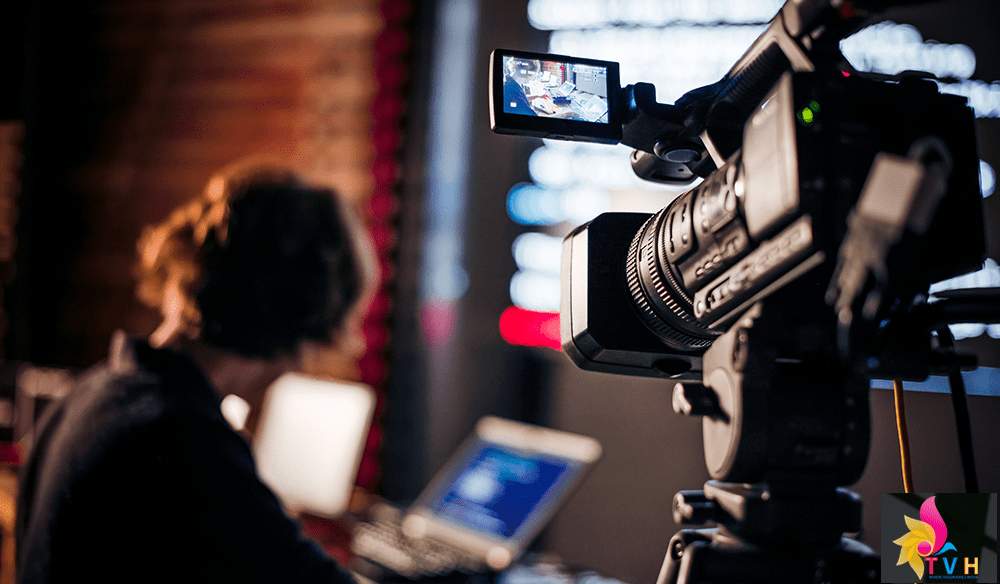
Professional cinematography involves much more than simply pressing the record button. It goes beyond that.
The crew carefully manages:
- Lighting intensity
- Lens selection
- Camera movement
- Frame composition
- Exposure
- Focus
- Color temperature
Every technical detail contributes to creating cinematic magic while shooting.
8. Recording High-Quality Audio
Let us tell you a secret: audio quality can make or break a video.
The sound team monitors:
- Dialogue clarity
- Ambient noise
- Echo reduction
- Microphone placement
- Background sounds
Even average visuals may be acceptable, but poor audio immediately distracts viewers.
9. Data Backup: A Critical Step
Every recorded file is immediately copied to multiple storage devices.
A production house maintains:
- Primary backup
- Secondary backup
- Cloud storage (when applicable)
Losing footage after a long day of shooting can be costly for the team.
10. Post-Production Begins
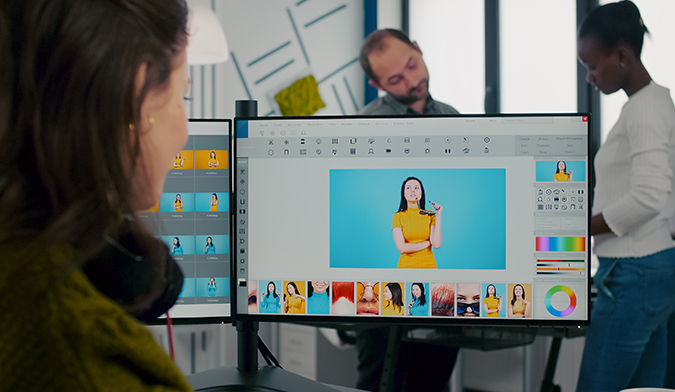
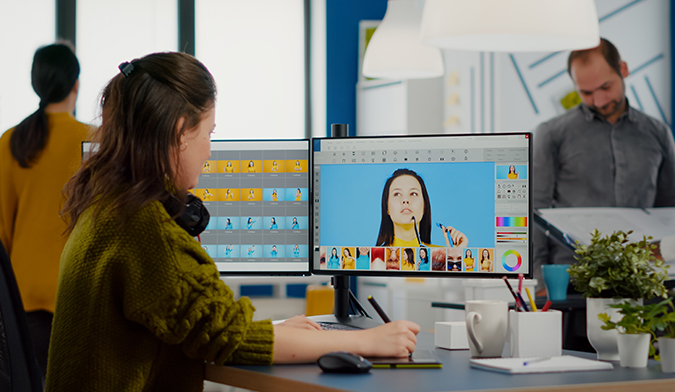
After completion of filming, the editing team begins transforming the raw footage into the final film.
This stage includes:
- Footage selection
- Rough cut
- Fine cut
- Music placement
- Voice-over synchronization
- Motion graphics
- Visual effects
This is where raw footage is transformed into a compelling visual story.
11. Color Grading
Raw footage often appears flat before colour grading because of natural lighting conditions, but Color grading enhances:
- Mood
- Brand colors
- Skin tones
- Contrast
- Visual consistency
It gives videos a polished, cinematic, and premium look.
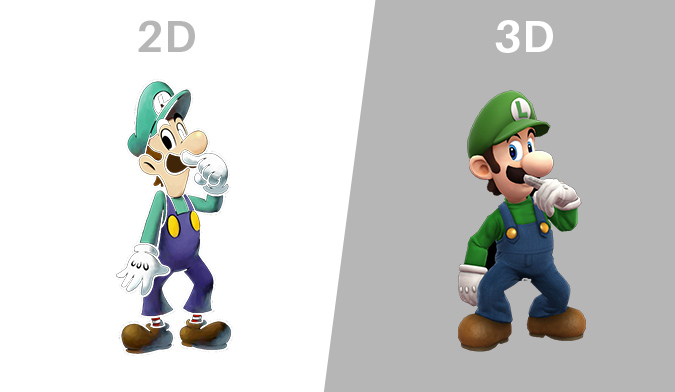
12. Motion Graphics & Animation
Modern videos include:
- Animated titles
- Infographics
- Brand logos
- Product highlights
- Statistics
- Call-to-action screens
These graphics make videos more engaging and visually appealing for the viewers and simplify complex information.
13. Sound Design
Sound designers enhance the overall audio experience by combining:
- Background music
- Ambient sounds
- Effects
- Voice-over
- Audio balancing
People often ignore good sound, but poor sound gets noticed immediately.
14. Client Review & Revisions
Production is a collaborative effort. After the client reviews the video, feedback is incorporated before the final version is approved.
15. Final Delivery
The completed video might be exported in various formats:
- YouTube
- Television
- Websites
- Digital advertising
- OTT platforms
Different platforms have different aspect ratios, resolutions, and file formats.
TVC ad for National AIDS Control Organisation (NACO)
Why Teamwork Makes All the Difference
The biggest strength of the best film production houses in Delhi are collaboration. One individual can handle only a limited amount of work, but assigning each responsibility to a specialist can bring out the best in each stage.
This leads to:
- Better creativity
- Faster execution
- Higher production quality
- Fewer mistakes
- Consistent branding
The result is a polished video that effectively communicates the brand's message.
Conclusion
Every video you admire is the result of countless creative decisions made behind the scenes. From brainstorming to final export, every stage requires planning, technical expertise, and smooth collaboration.
So when you partner with a film production house in Delhi NCR, you’re not just hiring a team equipped with cameras. You’re investing in a team of storytellers, strategists, editors, and creative experts who focus on bringing your vision to life.
The best film production houses in Delhi understand that, and they bring excellence to every frame that represents your brand. Creating great videos isn't just about making them visually stunning. They should also communicate the brand's message, engage the target audience, and generate meaningful business leads.


.jpeg)
.jpeg)

.jpeg)
.jpg)

.jpg)


.png)


.jpg)
.jpg)
.jpg)


.jpg)

.jpg)

.jpg)




.jpg)
.jpg)
.jpg)
.jpg)
.jpg)
.jpg)
.jpg)
.jpg)
.jpg)
.jpg)
.jpg)
.jpg)
.jpg)
.jpg)












.jpg)


.jpg)
.jpg)
.jpg)
.jpg)
.jpg)
.jpg)

.jpg)
.jpg)







.jpg)
.jpg)
.jpg)

.jpg)
.jpg)
.jpg)
.jpg)







.jpg)
.jpg)
.jpg)
.jpg)
.jpg)
.jpg)
.jpg)
.jpg)
.jpg)
.jpg)
.jpg)
.jpg)
.jpg)
.jpg)
.jpg)
.jpg)
.jpg)
.jpg)






.jpg)
.jpg)