Behind the Camera: What Really Separates a Great Production House From an Average One
Quick Answer: A film production house earns the title of "best" not through marketing claims, but through consistent storytelling craft, technical mastery, creative-technical collaboration, and reliability under pressure. Whether it's Delhi NCR or any other market, these fundamentals, not location alone, decide who a client trusts with their story.
Table of Contents
- What Does "Best" Really Mean in Film Production?
- What Actually Separates a Good Production House From a Great One
- Case Study: What Creative Ownership Looks Like in Practice
- The Core Pillars of a Strong Production House
- Storytelling Ability: The Non-Negotiable
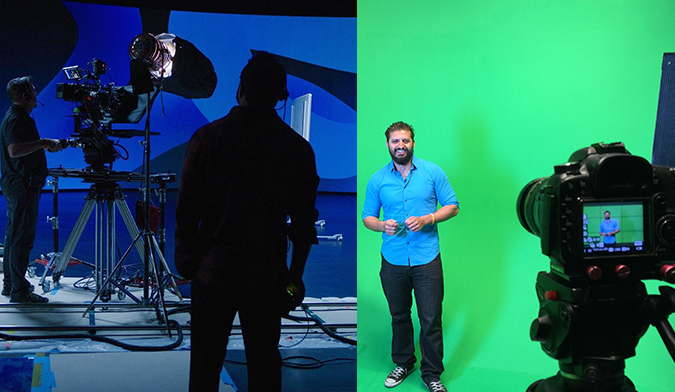
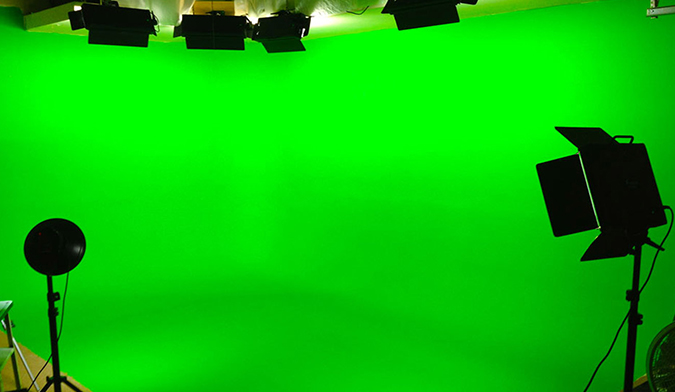
- Technical Infrastructure and Crew Expertise
- Post-Production and Creative Finishing
- Adaptability Across Formats
- How Production Houses Build Client Trust
- Frequently Asked Questions
- Conclusion
Key Takeaways:
- "Best" is earned through craft, not claimed through marketing language.
- Mindset and creative ownership over order-taking are often what separate a good production house from a great one.
- Storytelling, technical depth, and adaptability define a strong production house, as does the ability to see every project as a unique brief rather than a repeatable template.
What Does "Best" Really Mean in Film Production?
Every city has production houses that call themselves the best. But inside the industry, the word means something more specific. It has nothing to do with the size of the studio or the number of cameras owned. It is about whether a house can consistently turn a brief, often vague, sometimes contradictory, into a film that actually works for your brand.
A production house earns that reputation through repeated proof: projects delivered on time, stories that land with audiences, and clients who return for their next film without shopping around.
What Actually Separates a Good Production House From a Great One
Most production houses can shoot well. Fewer can be trusted with a problem, not just a brief.
The real test comes when something goes wrong, maybe a location falls through the night before the shoot, a client changes the message midway, a talent does not show up. A good team sticks to the plan. A great one changes the plan so smoothly that the client barely notices anything went wrong.
This is not really about skill. It is about mindset:
|
|
|
|
|
|
|
|
|
|
|
|
|
|
|
|
|
|
|
|
Production houses with this ownership mindset ask the harder questions early:
Will this concept actually work for the client's goal, or does it just look nice on paper? Is this the right format for where people will actually watch it? What happens if the location changes at the last minute?
That habit of asking, adapting, and taking responsibility for the result, not just the
deliverable, is what makes clients come back for a fifth project and not just the first.
Case Study: What Creative Ownership Looks Like in Practice
Old Spice's 2010 campaign is one of the most cited examples of this mindset in action, and it's worth breaking down because the production challenge behind it is easy to miss underneath the buzz.
In February 2010, Wieden+Kennedy released "The Man Your Man Could Smell Like," a single-take commercial for Old Spice. Five months later, instead of letting the campaign's momentum fade, the same team decided to respond directly to the audience with what became known as the “Old Spice Response Campaign”, a real-time branding experiment where the ad's lead character posted personal video replies to fans online.
The production demands were unusual. Over roughly two and a half days, a team of creatives, strategists, developers, and producers filmed 186 individual video responses, each one built around a real comment or question pulled from social media. To make this possible, the team built a digital system that pulled in mentions, sorted them by influence and creative potential, and routed selected comments through scripting, teleprompter, filming, and posting, a full production pipeline compressed into minutes instead of weeks.
The results went well beyond a viral moment. Old Spice's body wash sales, which had a modest 15% growth target going in, ended up doubling by that July.
What made this possible wasn't a bigger budget or a longer shoot schedule. It was a team willing to treat "the campaign is working" as an open brief to solve, not a finished job. That's the same ownership mindset covered above, just visible at a scale most projects never reach.
Source: Wieden+Kennedy, Old Spice: Smell Like a Man, Man; D&AD Awards, Old Spice Response Campaign case study
The Core Pillars of a Strong Production House
Beyond the marketing buzz, every credible production house is built on the same handful of fundamentals.
- Storytelling instinct - knowing what to keep, cut, and emphasize
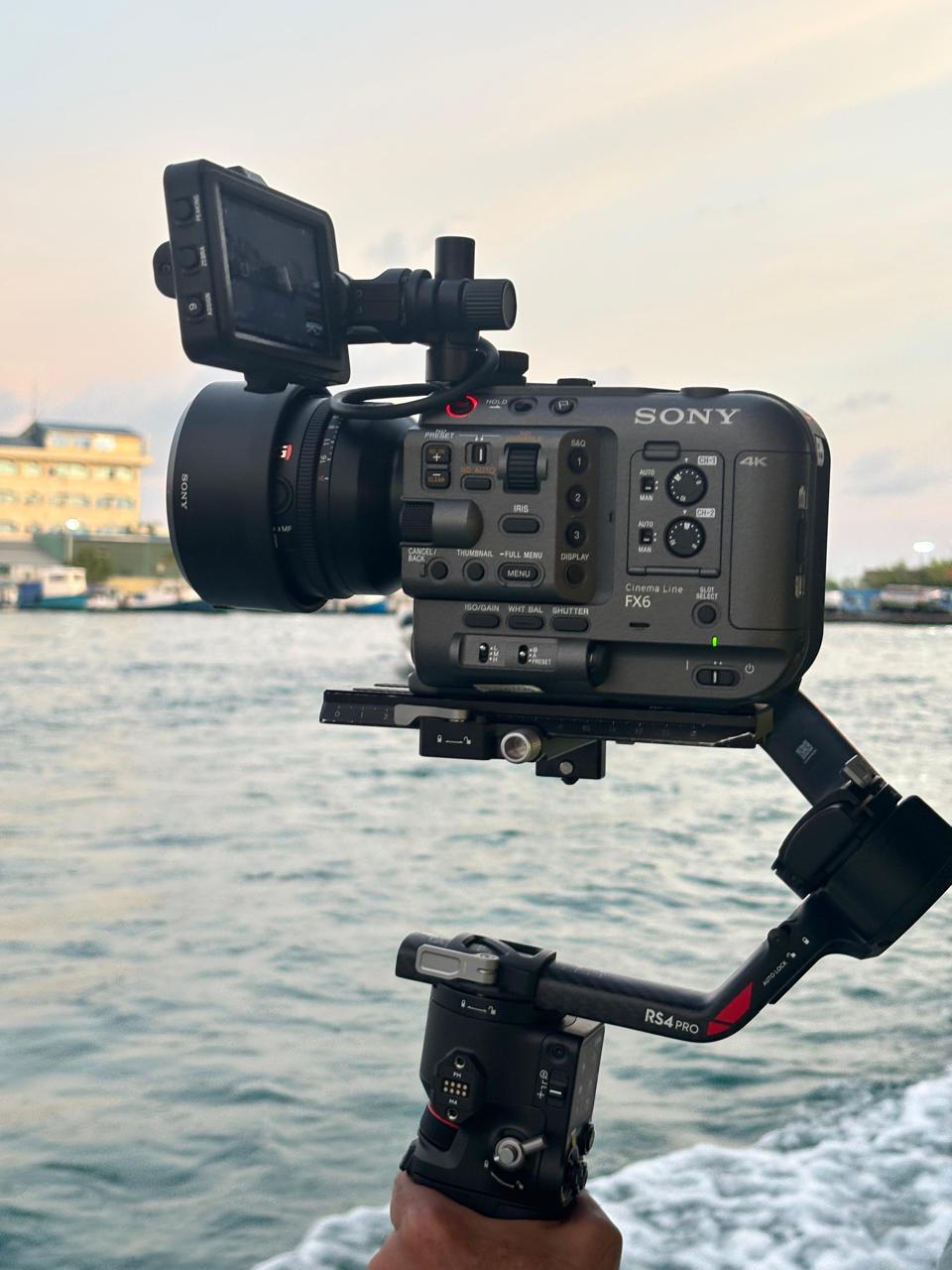
- Technical command - camera, light, sound, and motion working together, not separately
- Post-production discipline - where a good shoot becomes a great film
- Format flexibility - comfort across ad films, documentaries, brand films, and digital-first content
- Process reliability - timelines, communication, and budget discipline
Storytelling Ability: The Non-Negotiable
Equipment can be rented. Storytelling instinct can't be borrowed for a day. This is usually the first filter that separates production houses.
A skilled team asks questions most clients don't think to answer upfront: Who is this film really for? What should the viewer feel in the first five seconds? What's the one line someone should remember after watching?
Production houses that consistently deliver strong work usually have writers and directors involved from the pitch stage, not just the shoot day. The script, shot list, and edit plan are treated as one continuous thought, not three separate handoffs.
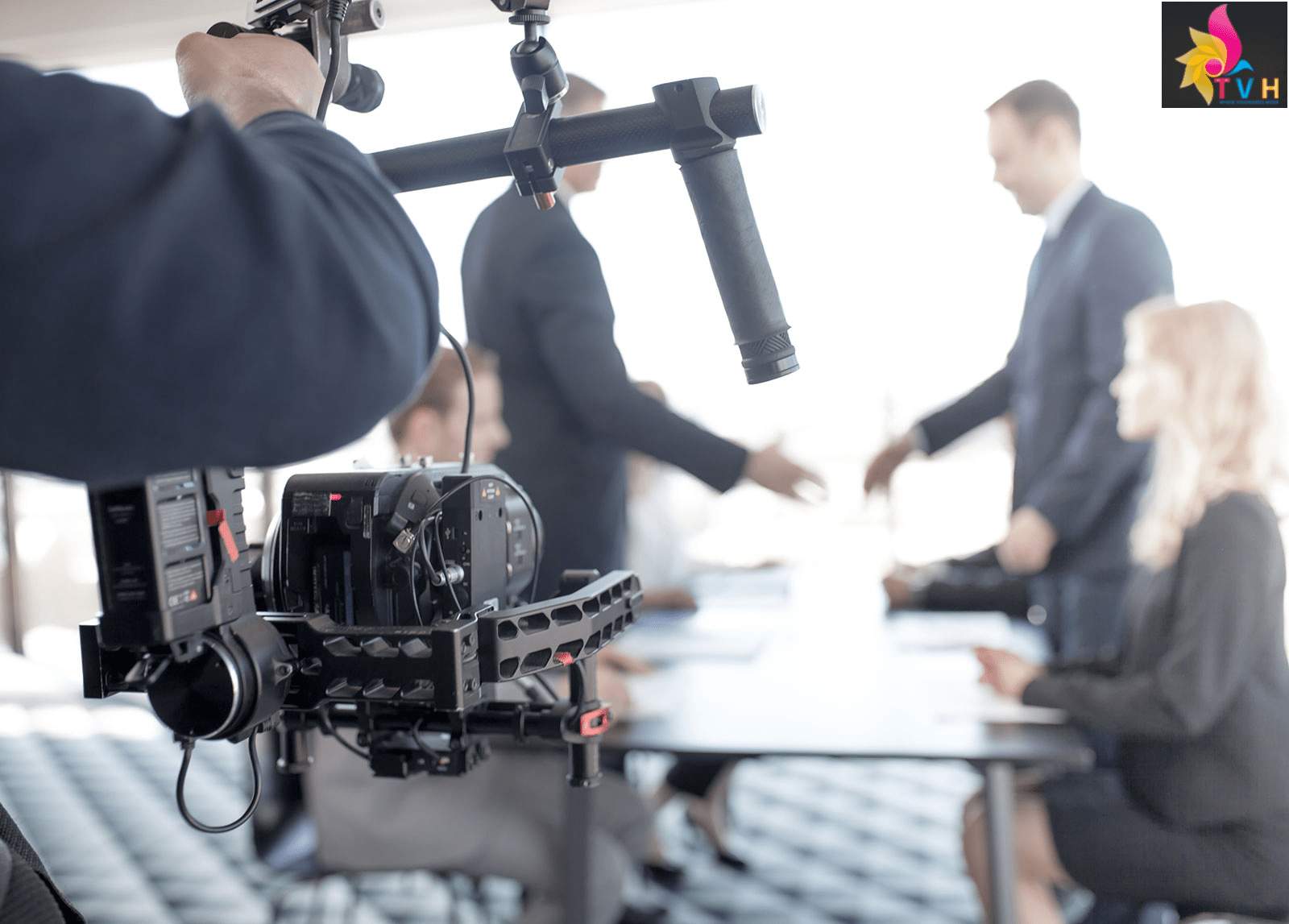
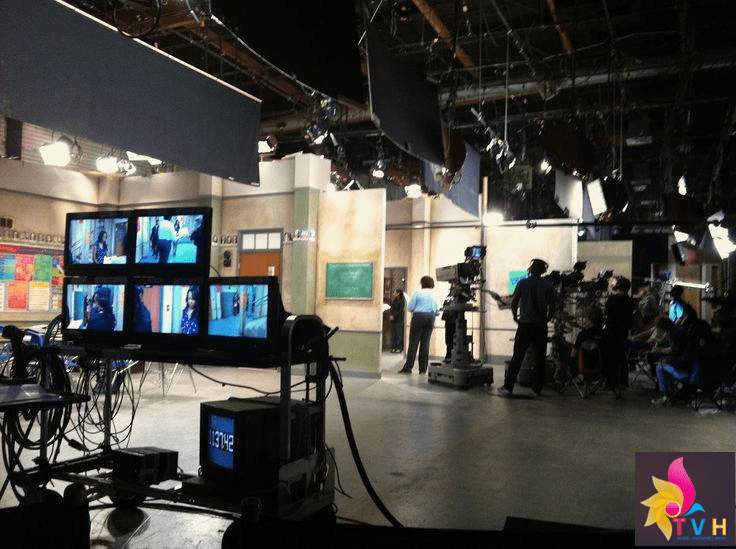
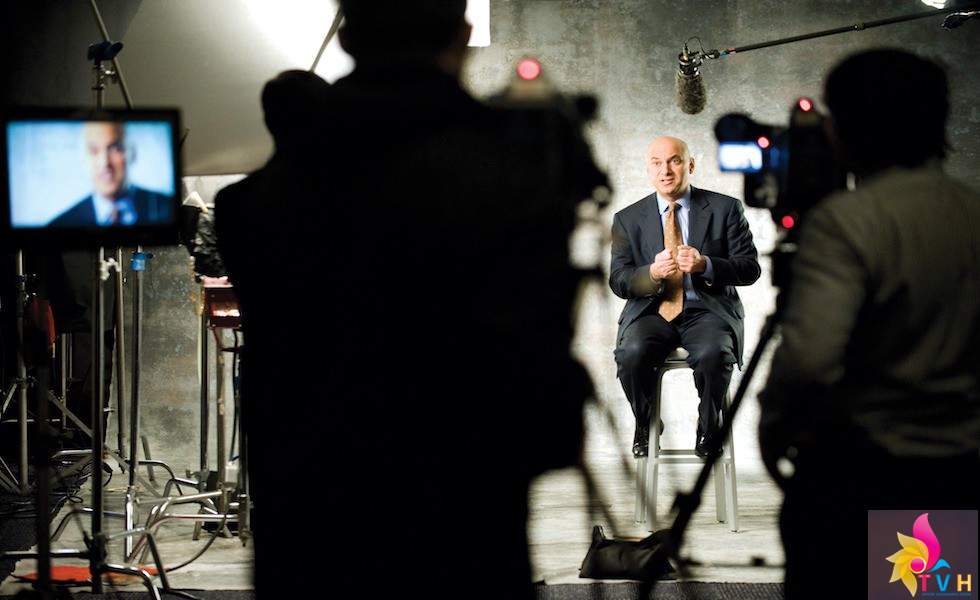
Technical Infrastructure and Crew Expertise
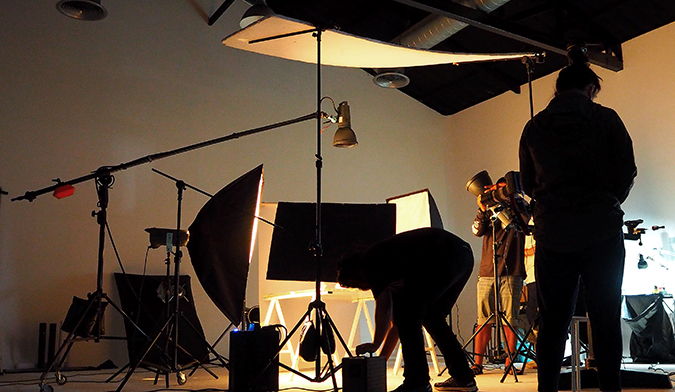
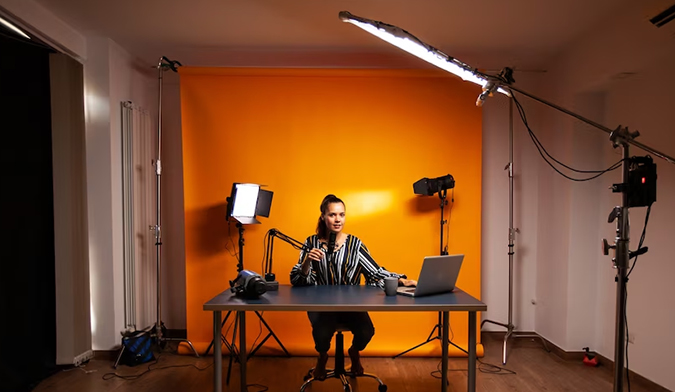
Good storytelling still needs to be captured well. This is where infrastructure and crew depth come in.
|
|
|
|
|
|
|
|
|
|
|
|
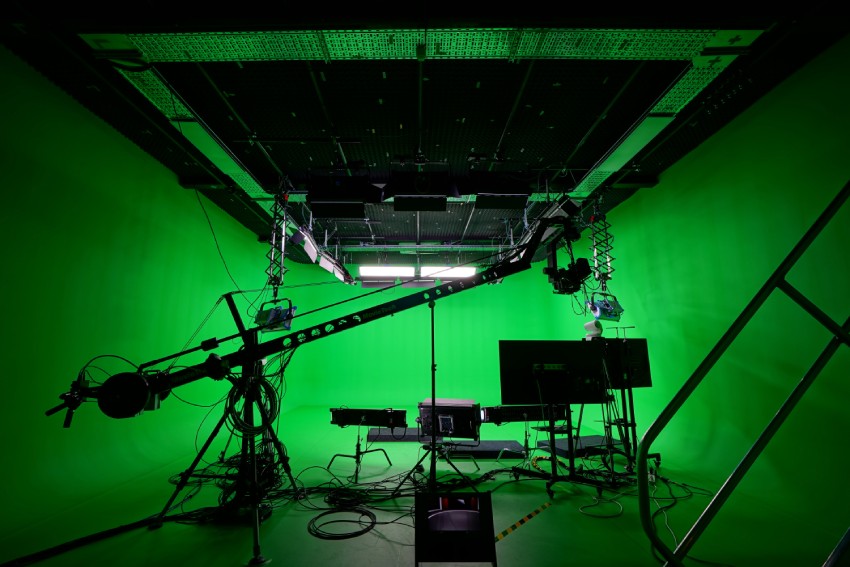
A production house that owns or has reliable access to this range of equipment and crew can say yes to a wider variety of briefs without compromising quality.
Post-Production and Creative Finishing
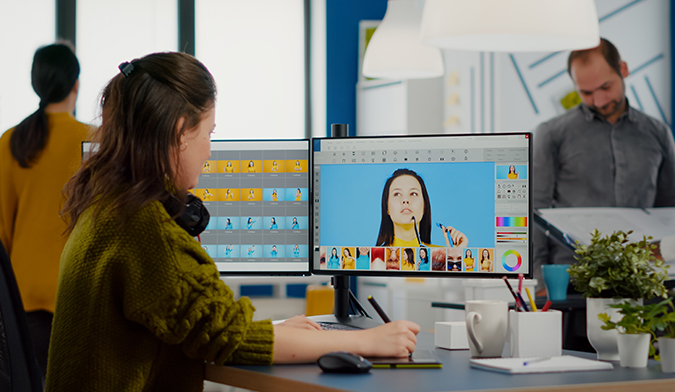
A film is genuinely made twice, once on set, once in the edit bay. Post-production is where pacing, color, sound design, and graphics decide whether raw footage becomes something worth watching.
Behind the scenes, this stage often involves:
- Rough cut and structural editing
- Color grading for mood and consistency
- Sound design, foley, and background scoring
- Motion graphics or subtitles, where relevant
- Multiple client review rounds before final delivery
Production houses that invest in strong in-house post-production teams, rather than fully outsourcing this stage, tend to maintain tighter creative control over the final output.
Adaptability Across Formats
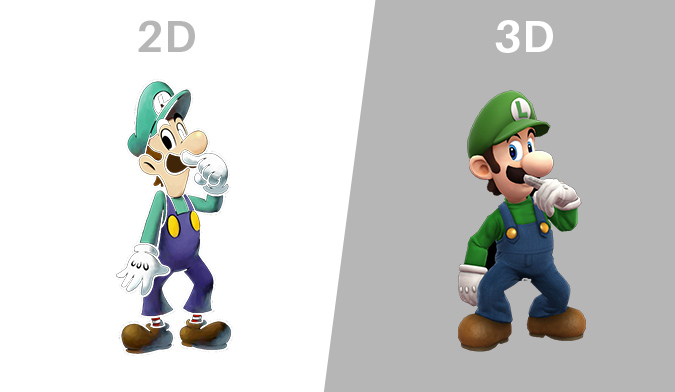
Client expectations have shifted. A brief today might ask for a 90-second brand film, a documentary-style piece, and a set of vertical cuts for social media, all from the same shoot day.
The production houses that hold up well are the ones that plan for this from pre-production itself: shooting with multiple aspect ratios in mind, capturing extra B-roll for social cuts, and thinking beyond the single "hero" video.
This adaptability, more than any single skill, is what tends to define a modern production partner.
How Production Houses Build Client Trust
Trust in this industry is rarely built on a single project. It's built on:
- Meeting deadlines even when a shoot day goes wrong
- Transparent budgeting with no surprise costs
- Being honest when a client's idea won't translate well on screen
- Sharing behind-the-scenes process, not just polished final cuts
- Staying involved post-delivery for revisions or format tweaks
This is also why case studies and process transparency matter more than taglines. A client evaluating production houses is really evaluating patterns of behavior across past projects.
Frequently Asked Questions
What makes a film production house "the best"?
Consistency across storytelling, technical execution, and reliability, proven over multiple projects, not claimed in a single pitch.
Why does Delhi NCR have so many production houses?
The region's talent density, diverse shoot locations, and concentration of corporate clients have made it a natural production hub.
How do production houses handle different content formats?
By planning for multi-format output from the pre-production stage, shooting extra footage, varying aspect ratios, and building an edit plan that supports several final cuts.
What role does post-production play in overall quality?
A significant one. Pacing, color, and sound design at this stage often decide whether a well-shot film actually connects with its audience.
What should a client actually look for before hiring one?
Past work across similar formats, clarity in communication, transparent process, and evidence of long-term client relationships rather than one-off projects.
Conclusion
Being "the best" in film production was never really about owning the most equipment or having the longest client list. It comes down to mindset, whether a team takes ownership of the outcome or simply delivers what was asked, and whether they can consistently turn an idea into a film that works, creatively, technically, and on schedule.
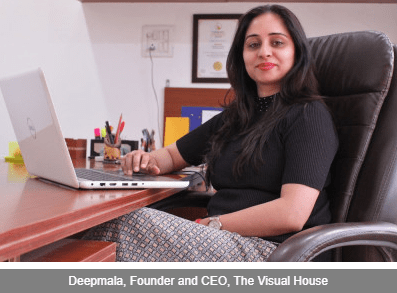
This is the standard we try to hold ourselves to at The Visual House. From script to final color grade, our approach has always been about treating every project, be it a corporate film, brand campaign, or documentary, as its own story worth getting right, not a template to repeat.
If you're evaluating production partners, we'd be glad to walk you through how we work.
If this is for The Visual House
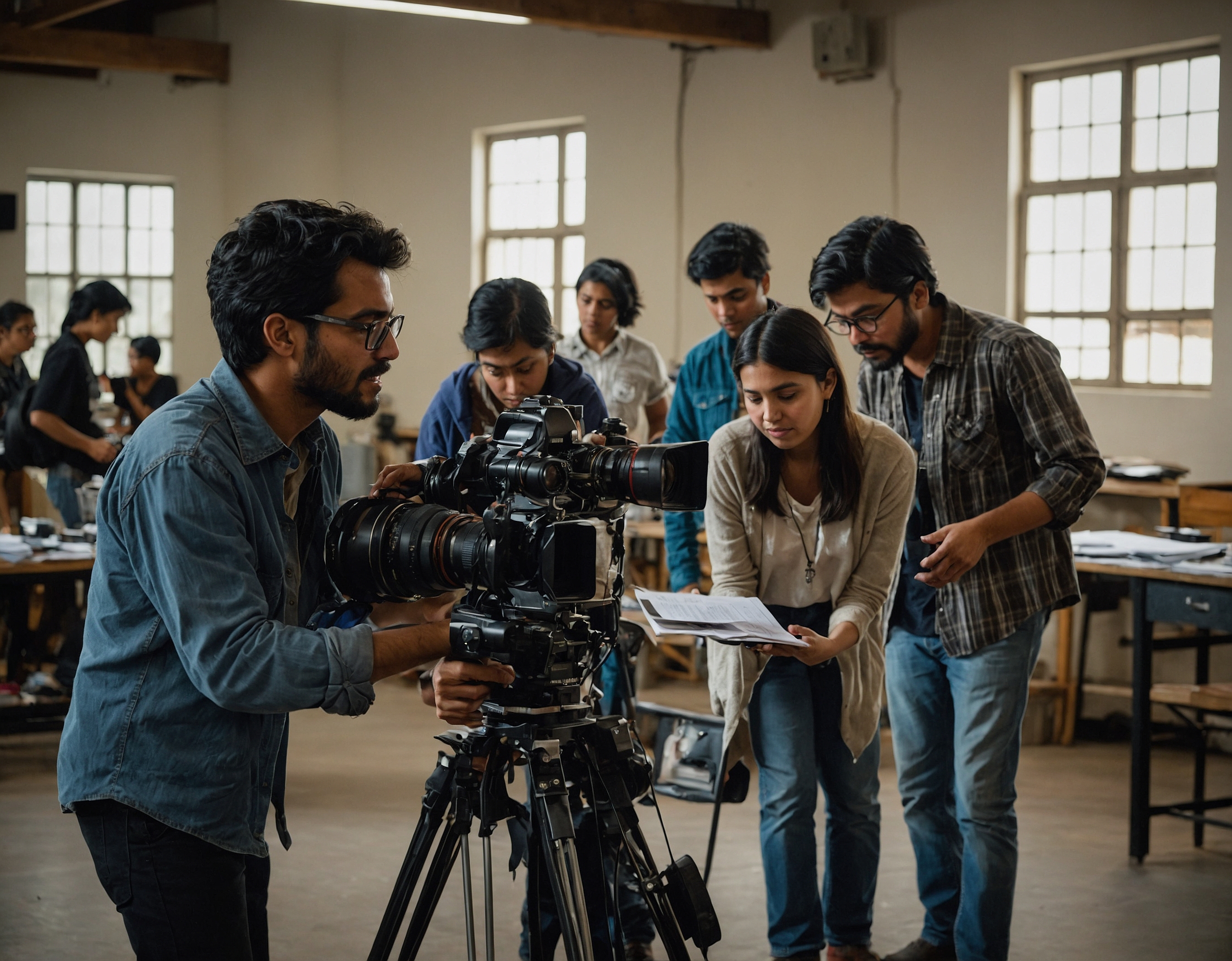
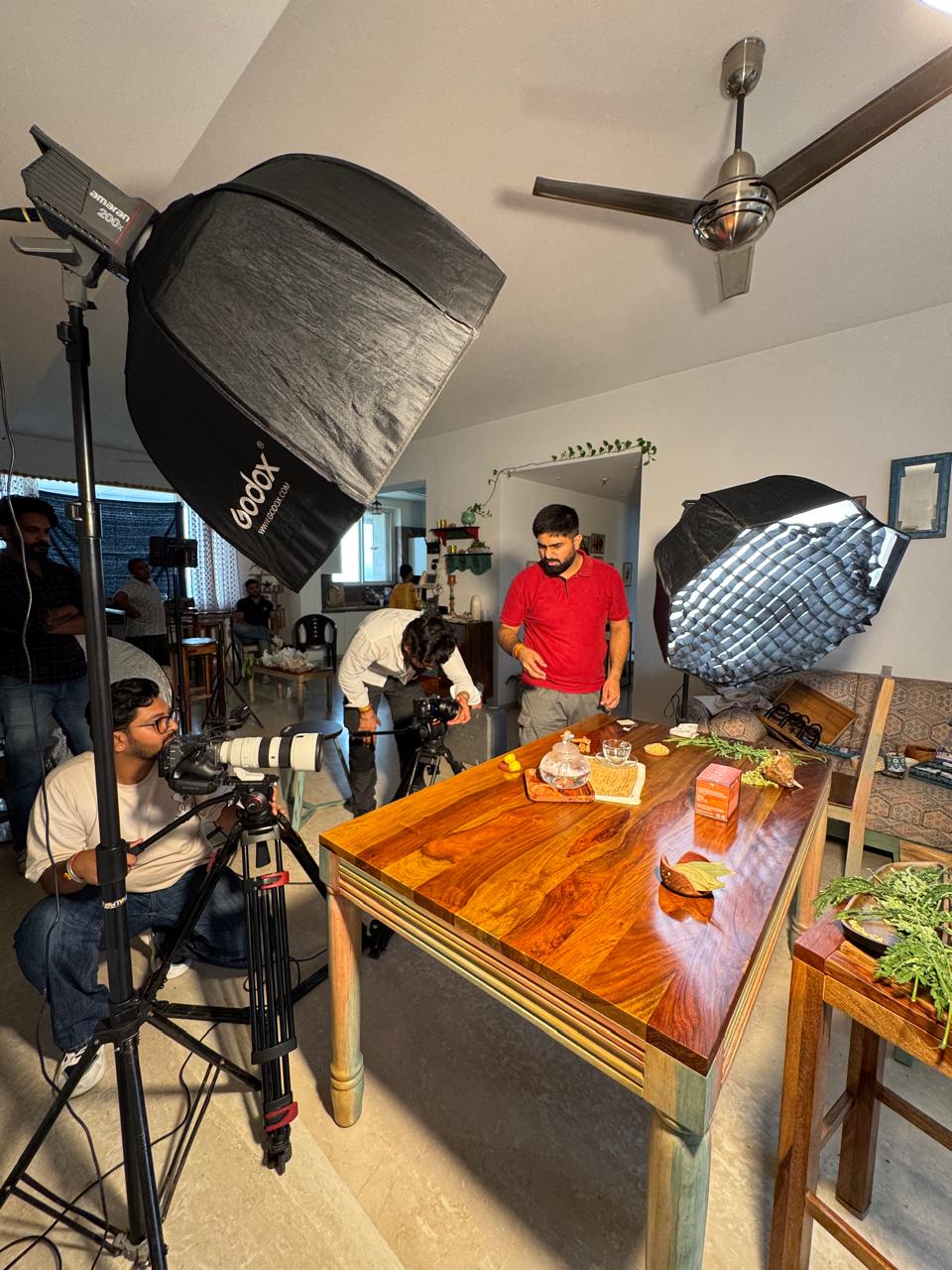
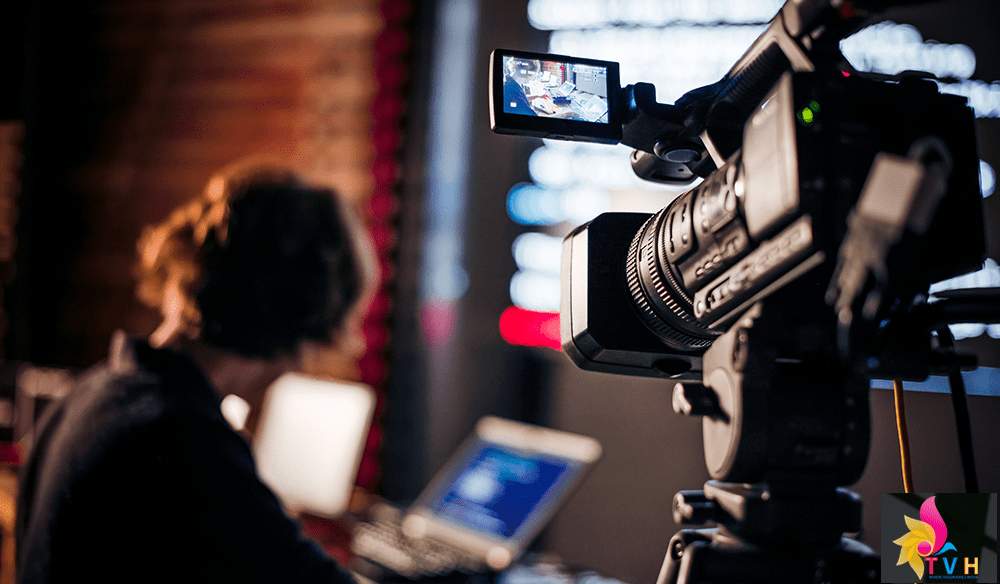
The blog would be significantly stronger if 70-80% of the visuals came from your own shoots rather than stock photography. For example:
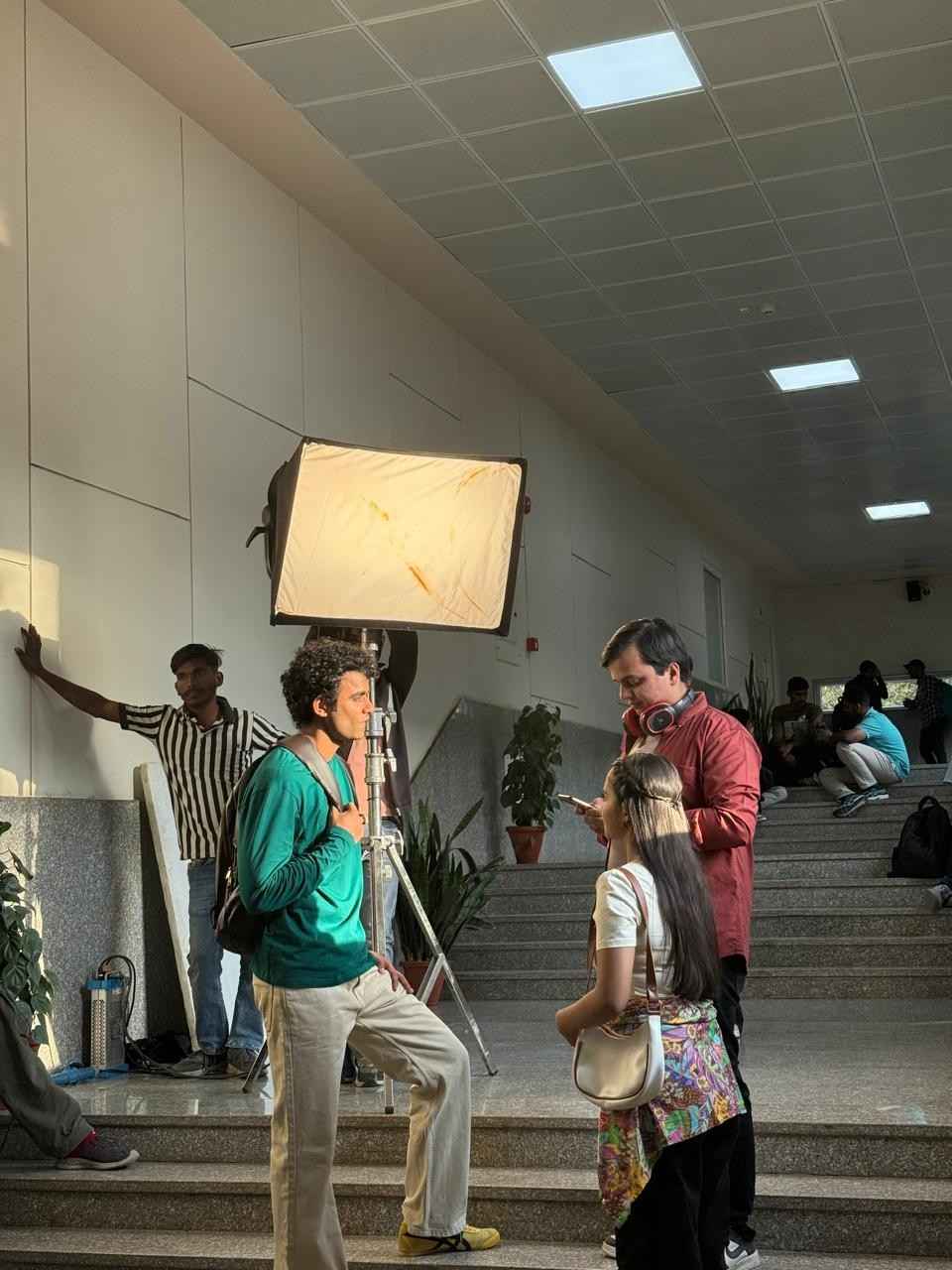
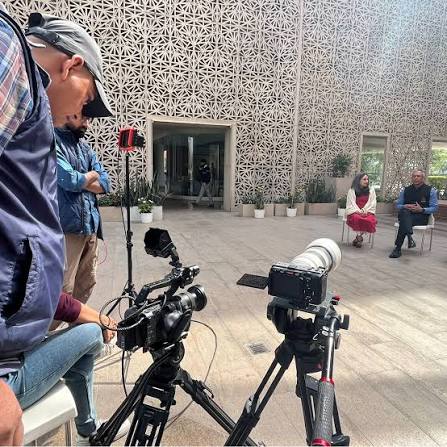
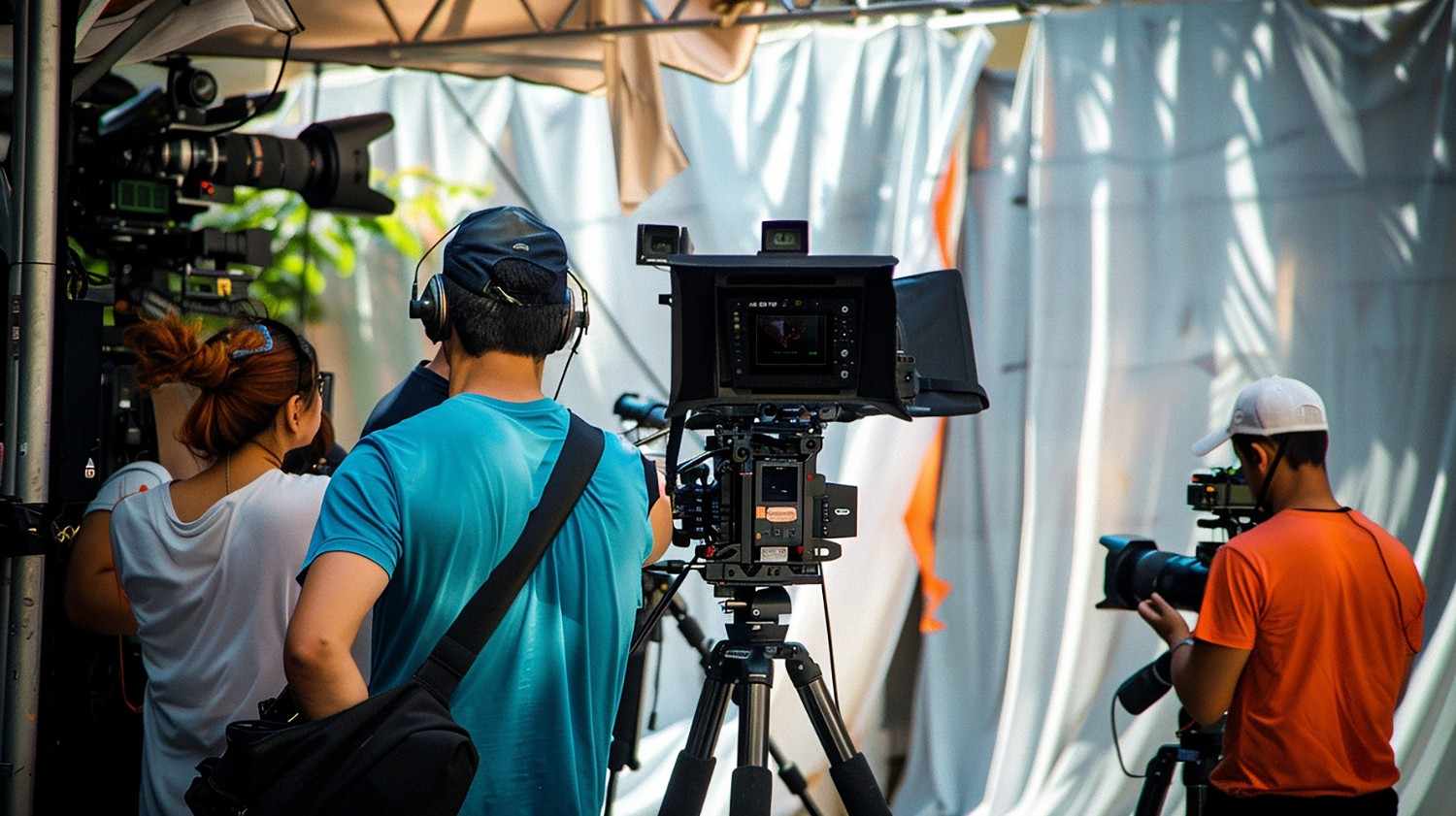
- Behind-the-scenes images from brand films.
- Directors reviewing monitors.
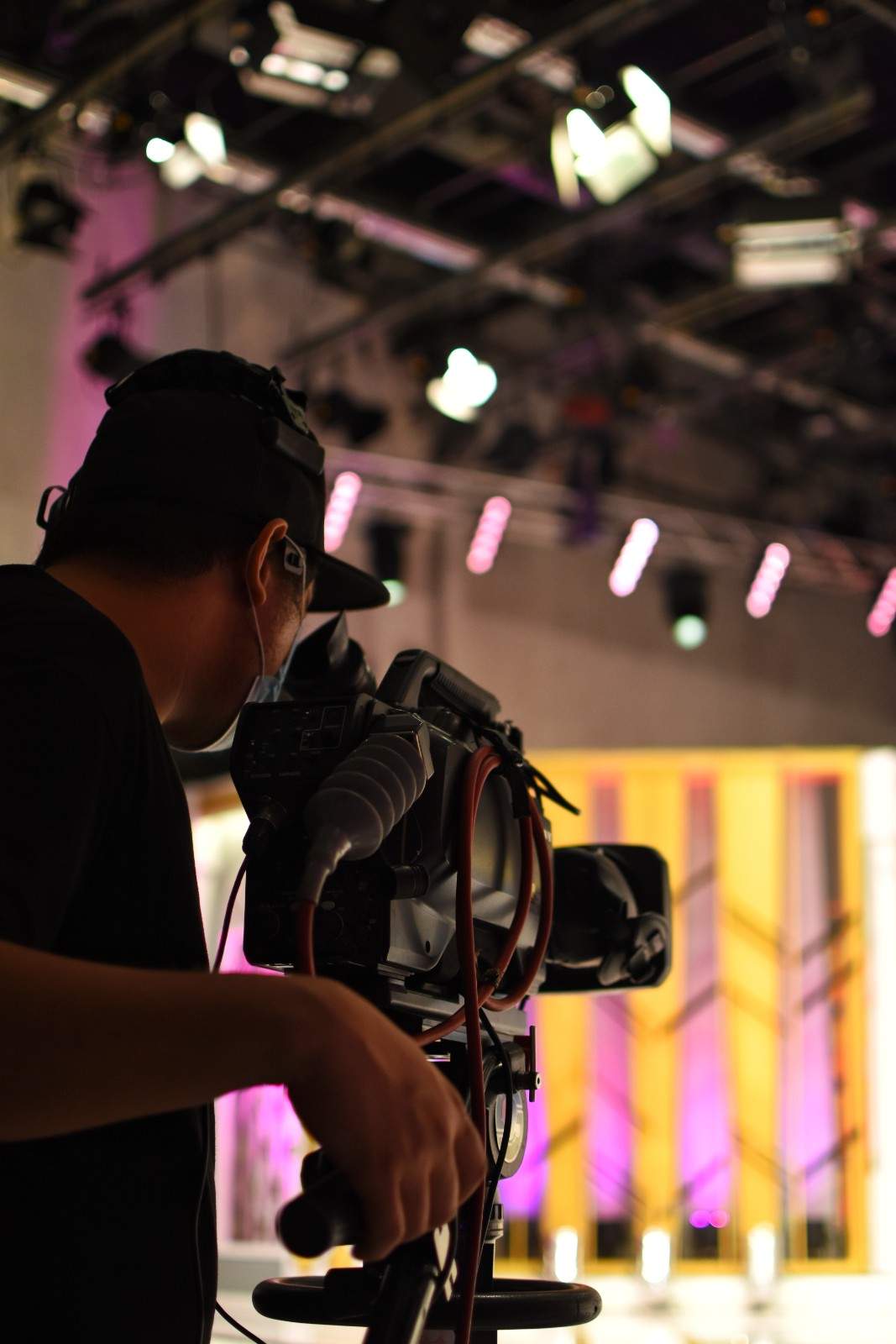
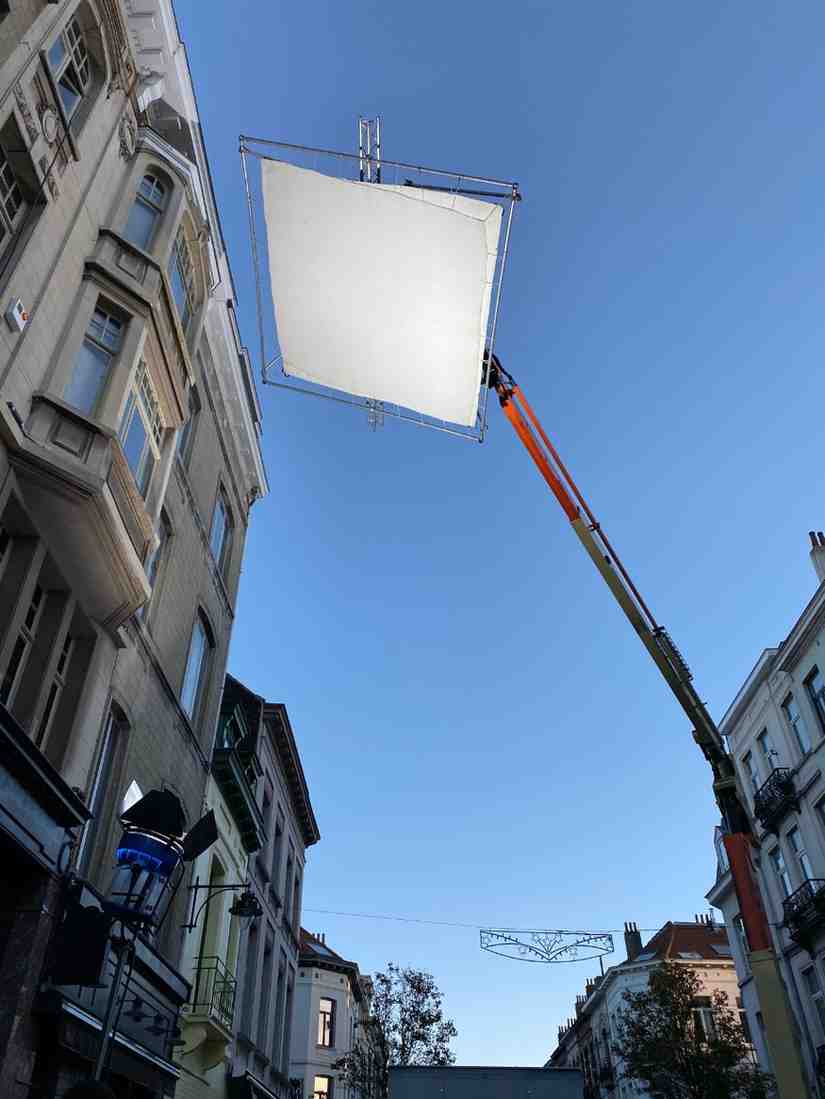
- Lighting setups.
- Drone shots during production.
- Storyboarding sessions.
- Audio recording.
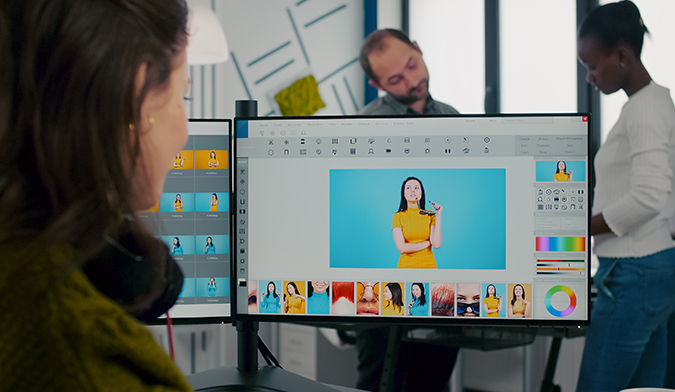
- Color grading suites.
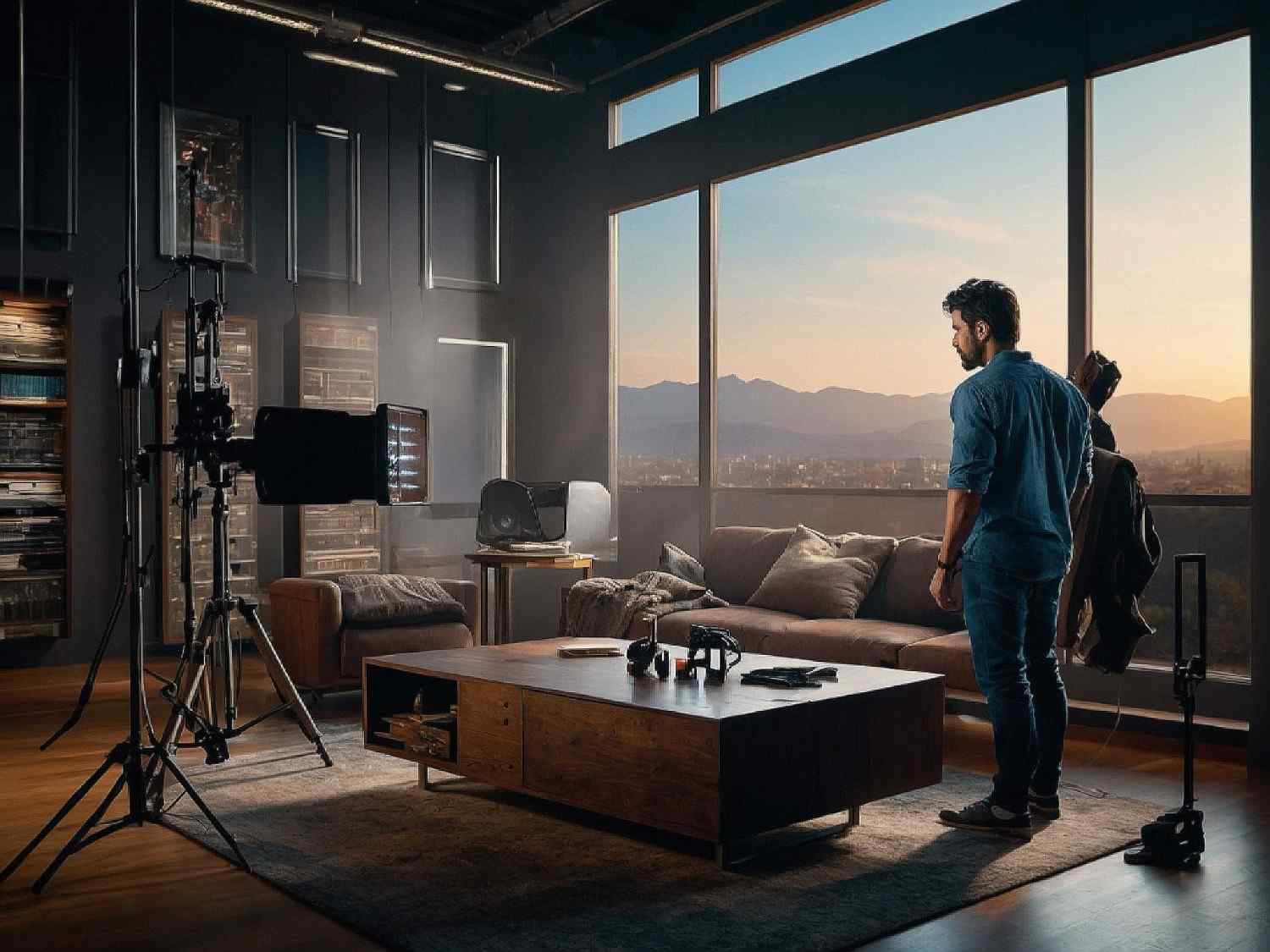
- Crew setting up locations.
- Production meetings.
- On-set problem solving.



.jpeg)
.jpeg)

.jpeg)
.jpg)


.jpg)




.png)


.jpg)
.jpg)
.jpg)



.jpg)

.jpg)

.jpg)





.jpg)
.jpg)
.jpg)
.jpg)

.jpg)
.jpg)
.jpg)
.jpg)
.jpg)
.jpg)
.jpg)
.jpg)
.jpg)
.jpg)













.jpg)



.jpg)
.jpg)
.jpg)

.jpg)
.jpg)
.jpg)

.jpg)
.jpg)












.jpg)
.jpg)
.jpg)

.jpg)
.jpg)
.jpg)
.jpg)








.jpg)
.jpg)
.jpg)
.jpg)
.jpg)
.jpg)
.jpg)
.jpg)
.jpg)
.jpg)
.jpg)
.jpg)
.jpg)
.jpg)
.jpg)
.jpg)
.jpg)
.jpg)








.jpg)
.jpg)